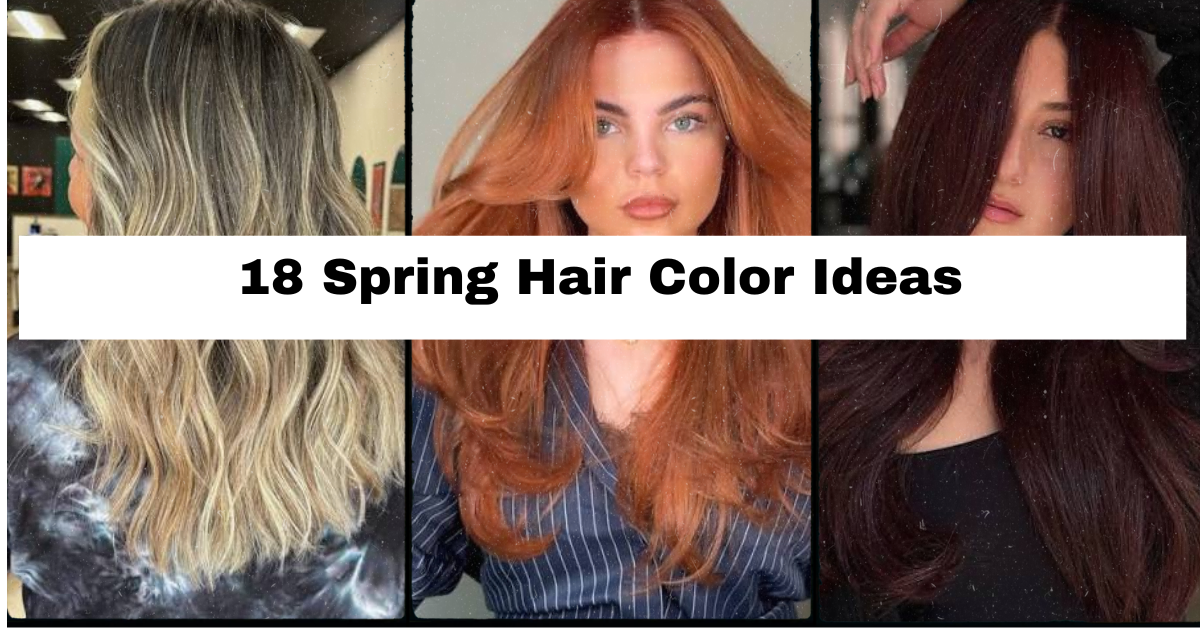
18 Spring Hair Color Ideas That’ll Make You Fall in Love With Your Mirror Again
For years, I have been experimenting, researching, and going crazy with the hair color trends and can confidently name the color shades that will be worthwhile to try this spring. This post’s purpose is quite simple, provide the ideas for spring hair color that are currently booked by real-life professional stylists, and not just beautiful photos that are unattainable.
So, what are the best spring hair color ideas? The best spring hair color ideas are buttery blonde balayage, copper sunset red, rose gold, honey brown, and soft pastel lavender. It works this way since these colors are warm, dimensional, and easier to maintain than dark and flat colors that are typical for winter.
Don’t go away, though. I’m giving away 18 colors sorted by face shape, hair type, and ease of maintenance, along with the mistakes that ruin new color even before it comes out of the salon chair.
What Makes a Hair Color “Spring-Ready”?
Here’s why it is important to distinguish spring shades from other seasonal hues. For starters, spring hair dye is warmer and more delicate than winter hair shades featuring deeper chocolate and black colors. Picture yourself under the warm sun rather than a stormy sky. It is customary for hairstylists to choose balayage, foilyage, and face-framing highlights since these methods reproduce the effect produced by sun rays on hair outdoors. These hair dyeing methods have one more advantage – they age gracefully, which will come handy after all those trips to the beach and humidity. I have categorized all 18 options so that you could find an option suitable for your hair and skin tone as well as maintenance requirements.
1. Buttery Blonde Balayage
This is the shade everyone asks for in spring, and for good reason. Buttery blonde balayage hand-paints warm, creamy tones onto the hair, avoiding the harsh lines of old-school foil highlights. It works beautifully on medium to long hair with natural texture, since waves catch the lightened pieces and add movement. This look flatters warm and neutral skin undertones especially well.
Try this: ask your colorist for “money pieces” around the face to instantly brighten your complexion without touching your whole head. It’s a low-maintenance option since the roots blend naturally as they grow. Perfect for work, weddings, or lazy weekend hair. Next up, a color for anyone craving a bolder statement.
2. Copper Sunset Red
Copper is having a real moment, and spring light makes it glow. This shade sits between red and orange, giving off warmth without looking costume-like. It’s stunning on fair to medium skin with warm or golden undertones, and it pops hardest on hair with some natural shine — think straight or loosely wavy textures.
I’d recommend a color-depositing conditioner every third wash to keep copper from fading into a dull orange. Round and oval faces both handle this shade well, especially with side-swept layers. It reads formal at a dinner party and casual at brunch. If copper feels like too much commitment, the next idea offers a gentler version.
3. Chocolate Cherry
Chocolate cherry blends deep brown with a red-wine undertone, creating a rich, glossy color that photographs beautifully in natural light. This one suits dark brunettes who want dimension without going lighter. It’s especially flattering on heart and square face shapes because the reddish tones soften angular features.
This shade works on nearly any hair length, though it shows off best on hair past the shoulders where the red glimmers through in sunlight. Use a sulfate-free, color-safe shampoo to protect the red pigment, since red fades fastest of all dye colors. Great for office settings or evening events alike. For something lighter and equally warm, let’s move to honey brown.
4. Honey Brown Balayage
Honey brown is the ultimate “I want a change but nothing drastic” color. It’s a soft blend of golden and light brown tones that adds warmth to naturally dark or mousy brown hair. This shade suits almost every skin tone, which is rare, and it looks incredible on fine hair because the multi-tonal effect creates the illusion of thickness.
Ask for babylights around the crown for a subtle, sun-touched effect. Maintenance is easy, a gloss treatment every 8–10 weeks keeps it vibrant. It transitions well from curly to straight styles too. This one’s a favorite for first-timers dipping their toes into color. Speaking of soft and universally flattering, strawberry blonde deserves a spot here too.
5. Strawberry Blonde
Strawberry blonde mixes red and blonde into a soft, peachy shade that looks like it’s been kissed by the sun. It’s ideal for fair to medium skin with pink or warm undertones, and it works especially well on naturally blonde or light brown hair since less lifting is required.
This color looks gorgeous on wavy or curly textures because the multiple tones catch light differently with every curl. A purple shampoo won’t help here, you’ll want a color-boosting red or copper shampoo instead to prevent fading into pale blonde. It’s a soft, romantic look for spring weddings or everyday wear. Now let’s talk about a trendier cousin: rose gold.
6. Rose Gold
Rose gold took over Pinterest a few years back, and it’s still going strong every spring. This dusty pink-blonde shade requires pre-lightened hair, so it’s best suited for those already blonde or willing to bleach. It looks stunning on fair skin with cool or neutral undertones.
I always tell clients this color fades fast, sometimes within two to three weeks, so a color-depositing purple or pink conditioner is non-negotiable. It’s a striking choice for creative workplaces, festivals, or anyone who loves standing out. Fine, straight hair shows the color most clearly since there’s less shadowing. If rose gold feels too high-maintenance, golden caramel is a warmer, easier alternative.
7. Golden Caramel Highlights
Golden caramel highlights add warmth and depth to brown hair without a full color overhaul. These highlights are typically woven throughout mid-lengths and ends, creating a natural, sun-warmed effect. This shade flatters nearly every face shape and works particularly well on thick, coarse hair, since the highlights break up density and add lightness.
A leave-in heat protectant is essential here, especially if you’re using hot tools to enhance the caramel tones. This color grows out with minimal visible regrowth, making it a smart pick for busy schedules. It’s versatile enough for the office and dressy enough for a night out. Next, let’s cool things down with a pastel option.
8. Soft Lavender Pastel
Lavender pastel is for the person who wants their hair color to feel like a mood. This dusty purple shade requires significantly lightened hair (usually to a pale yellow or white base) before the toner goes on. It looks best on cool-toned skin and suits medium to long hair where the color has room to show its dimension.
Because pastels fade quickly, plan on a color refresh every 3–4 weeks with a purple or lavender-tinted conditioner. This look is playful and works great for creative fields, festivals, or anyone ready to commit to upkeep. Straight hair shows the color as a clean wash; curly hair gives it a soft, blended look. For a warmer pastel alternative, peachy copper is next.
9. Peachy Copper
Peachy copper softens the boldness of traditional copper with warm peach undertones, creating a shade that feels fresh and youthful. It flatters warm and golden skin tones especially well and looks gorgeous on hair that sits between light brown and dark blonde before coloring.
This color works on all textures but really shines on beachy waves, since the tone mimics natural sun-lightening. A weekly hair mask helps combat dryness from the lightening process required to achieve the peach base. It’s a great in-between option for people who love color but fear commitment to full copper. From here, let’s go even lighter with champagne blonde.
10. Champagne Blonde
Champagne blonde is a cool-toned, subtle blonde with hints of beige and gray undertones — no brassy yellow here. This color suits fair to medium skin with cool undertones and works best on hair that’s already light brown or blonde, since it requires less lift.
Toning is key with this shade; ask your stylist for a glaze every 6 weeks to keep it from turning warm. It’s an elegant, low-key option that reads professional in an office and refined at formal events. Fine hair especially benefits since champagne tones create the appearance of extra shine and volume. Now let’s shift to a natural brunette upgrade.
11. Chestnut Brown With Face-Framing Highlights
Chestnut brown combines deep brown with subtle red undertones, and when paired with a few strategic face-framing highlights, it instantly brightens the complexion. This color suits nearly every skin tone and works particularly well for oval and square face shapes, softening sharper angles.
I always suggest keeping highlights thin and placed only around the front — this avoids a striped look and keeps maintenance simple. It’s a fantastic transitional color for anyone growing out a full head of highlights. This shade suits both curly and straight styles equally well. Next, let’s talk about a creamy, low-drama blonde.
12. Buttercream Blonde
Buttercream blonde is a soft, warm vanilla shade that avoids the coolness of platinum while still looking light and bright. It flatters warm and neutral undertones and works best on hair that’s naturally light brown to dark blonde already.
This color requires minimal toning upkeep, making it ideal for anyone who doesn’t want frequent salon visits. A hydrating hair oil keeps the ends looking glossy rather than straw-like, which is common with lighter shades. It’s versatile enough for casual days and polished enough for professional settings. Let’s move to something with a bit more fire: auburn balayage.
13. Auburn Balayage
Auburn balayage blends deep red and brown in soft, hand-painted strokes, giving dark hair a warm lift without going drastically lighter. This look flatters warm undertones and suits medium to long hair where the painted sections can show movement.
Because red pigments fade the fastest, a color-safe shampoo and cooler water temperature during washing will extend its life significantly. This shade works on straight and wavy hair alike, and it’s a solid pick for anyone wanting a “noticeable but not shocking” change. It’s appropriate for nearly any occasion, from the office to date night. Now, let’s talk about the biggest low-maintenance trend of the season.
14. Sun-Kissed Bronde
Bronde — the blend of brown and blonde — remains one of the most requested spring colors because it’s genuinely low-maintenance. This shade uses a soft transition from a natural brown root into blonde ends, mimicking how hair naturally lightens in the sun. It flatters virtually every skin tone and face shape.
This color suits long to medium hair best, since it needs length to show the gradual transition. Root touch-ups are rarely needed more than every 3–4 months, making it perfect for anyone who dreads frequent salon trips. It works for curly, straight, thick, or fine hair with equal success. Let’s contrast this with a moodier, cooler brown next.
15. Mocha Mushroom Brown
Mushroom brown mixes cool ash tones with warm mocha, creating a shade that reads sophisticated rather than flat. This color suits cool and neutral undertones and works best on hair that’s naturally medium to dark brown already, since it requires minimal lightening.
A purple or blue-toned shampoo helps maintain the ashy quality between salon visits. This shade looks fantastic on straight, sleek styles where the cool tone can really show, though it also works on soft waves. It’s an excellent office-appropriate color that still feels current. Now, let’s look at a trendy technique rather than an all-over color.
16. Espresso With a Money Piece
This look keeps the base color a deep, glossy espresso brown while adding one or two bold, lightened face-framing pieces. It’s a striking contrast that works on almost any skin tone, since you control how warm or cool the lightened pieces appear.
This style suits medium to long hair and works on any texture, though sleek, straight styles show off the contrast most dramatically. Maintenance is fairly simple since only a small section needs touch-ups. It’s edgy enough for creative settings yet still polished for the office. Next, let’s brighten things up with a fun pastel pink.
17. Coral Pink Pastel
Coral pink pastel takes the softness of a typical pastel pink and warms it up with peachy-orange undertones. This shade requires pre-lightened hair and suits warm or neutral undertones best. It’s a bold, playful choice that works particularly well on shorter styles like lobs or shoulder-length cuts, where the color reads as one cohesive tone.
Because pastels fade fast, plan for a touch-up gloss every few weeks and use color-safe, sulfate-free products religiously. This look is fun for festivals, creative careers, or anyone ready to make a statement. It’s not the easiest color to maintain, but it’s unforgettable. Finally, let’s end with a cooler, classic option.
18. Icy Platinum Blonde
Icy platinum is the boldest lightening job on this list, stripping hair down to a near-white, cool blonde. It flatters fair, cool-undertoned skin the most and requires healthy, well-conditioned hair to pull off without looking damaged. This isn’t a beginner color — it typically takes multiple sessions to reach safely.
Weekly deep-conditioning treatments and a purple shampoo twice a week are essential to prevent brassiness and maintain hair strength. This shade suits shorter, sleek cuts particularly well, since the color reads cleanest without a lot of texture. It’s dramatic, striking, and unmistakably a spring statement.
Balayage vs. Ombre vs. Highlights: Know the Difference
Before booking your appointment, it helps to know exactly what to ask for.
Balayage
: A hand-painted coloring technique that creates soft, natural-looking graduation with no harsh lines. Great for low-maintenance grow-out.
Ombre
: A gradual, two-toned transition from dark roots to lighter ends, usually more dramatic and defined than balayage.
Foilyage
: A hybrid technique combining foils with hand-painting for brighter, more noticeable results than traditional balayage.
Highlights
: Strands of hair lightened using foil, typically more uniform and repetitive than balayage’s freehand approach.
Spring Hair Color Comparison by Skin Undertone
| Hair Color Idea | Best Undertone | Hair Type | Maintenance Level |
|---|---|---|---|
| Buttery Blonde Balayage | Warm/Neutral | Wavy, Medium-Thick | Low |
| Copper Sunset Red | Warm | Straight, Fine-Medium | High |
| Chocolate Cherry | Neutral | Any | Medium |
| Honey Brown Balayage | Any | Fine, Thin | Low |
| Strawberry Blonde | Warm/Pink | Wavy, Curly | Medium |
| Rose Gold | Cool/Neutral | Straight, Fine | High |
| Golden Caramel Highlights | Any | Thick, Coarse | Low |
| Soft Lavender Pastel | Cool | Medium-Long | High |
| Peachy Copper | Warm/Golden | Wavy | Medium |
| Champagne Blonde | Cool | Fine, Straight | Medium |
| Chestnut Brown + Highlights | Any | Any | Low |
| Buttercream Blonde | Warm/Neutral | Any | Low |
| Auburn Balayage | Warm | Straight, Wavy | Medium |
| Sun-Kissed Bronde | Any | Any | Very Low |
| Mocha Mushroom Brown | Cool/Neutral | Straight | Medium |
| Espresso + Money Piece | Any | Any | Low |
| Coral Pink Pastel | Warm/Neutral | Short, Straight | High |
| Icy Platinum Blonde | Cool | Straight, Healthy | Very High |
Touch-Up Frequency and Cost Expectations
| Color Category | Touch-Up Frequency | Approximate Salon Time | Damage Risk |
|---|---|---|---|
| Balayage/Bronde | Every 3–4 months | 2–3 hours | Low |
| All-Over Red/Copper | Every 4–6 weeks | 1.5–2 hours | Medium |
| Pastels | Every 3–4 weeks | 2–4 hours | Medium-High |
| Platinum/Bleached | Every 4–8 weeks | 3–5 hours | High |
| Face-Framing/Money Piece | Every 8–12 weeks | 1–1.5 hours | Low |
Tips for Success
Getting the color is half the job. Keeping it looking fresh is the real work. Here’s what actually helps:
- Use a bond-building treatment (like a bonder or protein treatment) before and after lightening services to protect hair integrity.
- Switch to sulfate-free shampoo immediately after coloring — sulfates strip color fast.
- Wash with cooler water. Hot water opens the hair cuticle and pushes color out faster.
- Get a gloss or toner refresh every 6–8 weeks even if you’re not doing a full color redo.
- Always do a strand test at home if you’re trying a semi-permanent pastel or vivid shade for the first time.
- Ask your stylist about your hair’s porosity — high-porosity hair grabs color fast but also releases it fast.
- Use UV-protectant hair spray in spring and summer; sun exposure fades color quicker than most people expect.
Common Mistakes and How to Avoid Them
Mistake: Skipping the strand test before a bold color change.
Fix: Always test a small, hidden section first, especially for reds, pastels, or platinum shades.
Mistake: Washing hair too soon after coloring.
Fix: Wait at least 48–72 hours before your first wash so the color fully sets into the hair shaft.
Mistake: Choosing a color based on a photo alone without considering your natural base.
Fix: Bring reference photos to your consultation, but let your stylist adjust the shade based on your current color and undertone.
Mistake: Ignoring hair health before a major lightening service.
Fix: Get a trim and start a deep-conditioning routine at least two weeks before your appointment.
Mistake: Using regular drugstore shampoo on fresh color.
Fix: Invest in color-safe, sulfate-free products — they genuinely extend vibrancy by weeks.
Mistake: Trying to DIY a drastic color change at home.
Fix: Leave bleach, platinum, and pastel transformations to a professional colorist to avoid uneven tone or breakage.
Final Thoughts
Choosing from 18 spring hair color ideas can feel overwhelming, but it really comes down to three things: your undertone, your current hair health, and how much upkeep you’re realistically willing to do. Whether you’re leaning toward a low-maintenance bronde or ready to commit to a bold lavender pastel, there’s a shade on this list built for your lifestyle.
Bring these spring hair color ideas to your next salon visit, ask the right questions about maintenance and technique, and trust your colorist to tailor the shade to you. Your best spring hair color is out there — go find it.