18 Winter Blonde Balayage Ideas That’ll Have You Booking a Salon Appointment Today
I’ve spent years studying color trends, chatting with colorists, and testing which winter blonde balayage looks actually hold up in real life (not just on Pinterest). So when I tell you which shades and placements are worth your time and money this season, you can trust I’ve done the homework.
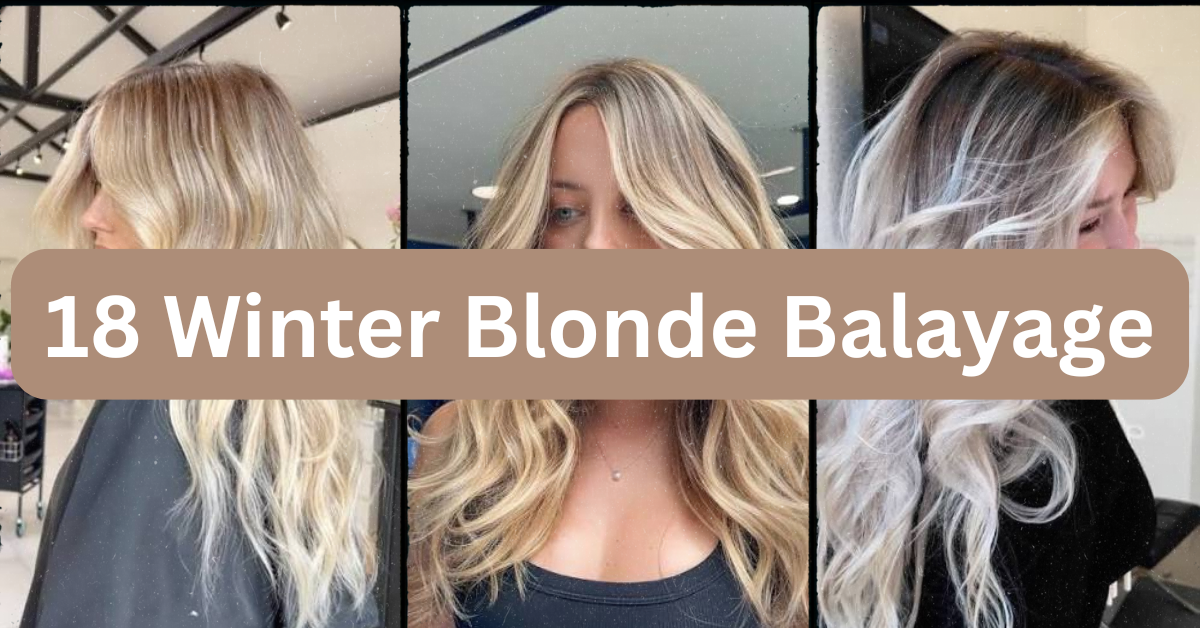
So what is the best winter blonde balayage right now? The best winter blonde balayage combines cooler, richer tones — think ash, champagne, and icy platinum — painted with darker roots for dimension. This creates a low-maintenance look that photographs beautifully against winter coats, scarves, and shorter daylight hours.
Stick around, though. I’m breaking down 18 distinct winter blonde balayage styles, plus a maintenance chart, styling tips, and the mistakes almost everyone makes when they try this at home.
Understanding Winter Blonde Balayage: The Basics Before You Book
Winter blonde balayage isn’t just “summer balayage but darker.” The whole approach shifts. Colorists pull back on the sun-kissed warmth and lean into cooler undertones, deeper roots, and softer contrast. Why? Because winter light is different, your skin tone often looks paler, and nobody wants hair that screams “beach vacation” while you’re bundled in a wool coat.
Before we jump into the styles, let’s clear up some terms you’ll hear at the salon:
Balayage
: A hand-painted highlighting technique where color is swept onto the surface of the hair, creating a soft, natural gradient with no harsh lines.
Ombre
: A two-toned color transition, usually dark roots fading into one solid lighter shade at the ends. More uniform than balayage.
Foilyage
: A hybrid technique — balayage painting followed by foils to intensify lift, often used for cooler or more saturated blonde tones.
Money Piece
: A face-framing highlight, usually the boldest and lightest section, placed right where it catches the eye first.
Root Smudge
: A soft shadow root technique that blends your natural color into the balayage, stretching out time between salon visits.
Got it? Good. Now let’s get into the styles themselves.
Quick Comparison Table: 18 Winter Blonde Balayage Styles
| Style | Best Face Shape | Best Hair Type | Maintenance Level | Undertone |
|---|---|---|---|---|
| Icy Platinum | Oval, Heart | Straight, Fine | High | Cool |
| Buttery Vanilla | Round, Square | Wavy, Thick | Medium | Warm-Neutral |
| Champagne Blonde | Oval, Diamond | All types | Medium | Neutral |
| Ash Blonde | Square, Heart | Straight, Wavy | Medium-High | Cool |
| Honey Blonde | Round, Oval | Curly, Wavy | Low | Warm |
| Caramel Blonde | Heart, Oval | Thick, Wavy | Low | Warm |
| Sandy Beige | All shapes | Fine, Straight | Low | Neutral |
| Pearl Blonde | Oval, Diamond | Straight | High | Cool |
| Golden Blonde | Round, Square | Curly, Thick | Low-Medium | Warm |
| Rooted Blonde | All shapes | All types | Very Low | Neutral-Cool |
| Money Piece | Heart, Oval | All types | Medium | Varies |
| Face-Framing | Round, Square | Straight, Wavy | Medium | Varies |
| Bronde | All shapes | Thick, Wavy | Low | Neutral |
| Silver Blonde | Oval, Diamond | Straight, Fine | High | Cool |
| Copper-Kissed | Heart, Round | Curly, Wavy | Medium | Warm |
| Chunky Blonde | Square, Diamond | Straight, Thick | Medium | Varies |
| Soft Blonde (Brunette Base) | All shapes | All types | Low | Neutral |
| Winter White | Oval, Heart | Fine, Straight | Very High | Cool |
1. Icy Platinum Balayage
There’s something undeniably striking about icy platinum balayage against a winter backdrop. This look uses cool-toned lightener painted through the mid-lengths and ends, leaving a slightly deeper root for contrast. It works best on those with naturally light or medium-blonde hair since the lift required is less damaging. Fine to medium straight hair shows off the icy tone most clearly, and oval or heart-shaped faces get a nice brightening effect around the cheekbones.
You’ll need a purple shampoo in rotation — twice a week keeps brassiness away. A lightweight toning gloss every 6-8 weeks refreshes the color between full appointments. This style suits formal winter events beautifully, especially under warm indoor lighting where platinum tones practically glow. If you’re tired of blonde that turns yellow by week three, icy platinum solves that problem directly.
Next up, a softer, warmer take on blonde that’s much easier to maintain.
2. Buttery Vanilla Blonde Balayage
Buttery vanilla blonde balayage takes the harshness out of platinum while keeping things bright. Colorists blend warm cream tones with just a touch of gold, painted in broad, soft strokes. This shade flatters round and square face shapes because the warmth softens angular features. Thick, wavy hair holds this color exceptionally well — the waves catch the light and show off the dimension between the vanilla highlights and your natural base.
Ask your stylist for a “glaze” instead of full lightener if your hair is already blonde-ish; it’s gentler and just as effective. A hydrating leave-in conditioner is non-negotiable here since warmth-based blondes still need lift. This style works for everyday office wear or holiday parties without looking too flashy. It’s forgiving for regrowth too, meaning fewer stressful salon visits.
Now let’s talk about a shade that splits the difference between warm and cool.
3. Champagne Blonde Balayage
Champagne blonde balayage sits right in that sweet spot — not too warm, not too icy. It’s a neutral-toned blonde with subtle golden undertones, making it one of the most universally flattering winter shades. Diamond and oval face shapes look especially elegant with this color since it doesn’t compete with facial structure. It works on virtually any hair type, from pin-straight to loosely curled.
For upkeep, use a toning conditioner in the shower once weekly to maintain that neutral balance. Champagne blonde photographs incredibly well for weddings, holiday parties, or professional headshots because it doesn’t cast unflattering yellow or gray tones under flash photography. If you’ve struggled to find “your” blonde, champagne is often the answer — it’s genuinely one of the lowest-risk choices you can make.
Moving from neutral to something a bit edgier and cooler next.
4. Ash Blonde Balayage
Ash blonde balayage strips out warmth entirely, leaving a smoky, grayish-blonde finish that feels distinctly wintery. This shade demands healthy hair since achieving true ash requires careful toning to cancel out brassy undertones. Square and heart-shaped faces benefit from ash blonde’s cool contrast, which softens strong jawlines. Straight and wavy textures show the tone most clearly.
I always tell people: don’t skip the bond-building treatment before this color. Ash tones require extra processing, and your hair needs the protein support. Blue or purple shampoo becomes your best friend here — use it every third wash to keep things from turning warm again. Ash blonde suits creative industries, editorial-style looks, and anyone wanting a slightly edgier vibe without going full silver. It solves the “my blonde keeps turning brassy” complaint better than almost any other shade.
Let’s warm things back up with a classic favorite.
5. Honey Blonde Balayage
Honey blonde balayage is the golden-hour version of blonde — warm, rich, and effortlessly natural-looking. This technique layers multiple warm tones, from deep gold to light caramel, giving incredible depth. Curly and wavy hair types absolutely thrive with honey blonde since the curls reveal different shades as they move. Round and oval faces both look great with this warmth framing the face.
A curl cream with light hold helps define texture while keeping the color’s dimension visible. Honey blonde needs minimal toning — maybe once every two months — making it ideal for low-maintenance lifestyles. It’s a great everyday, casual look but transitions well into evening wear with a simple curl refresh. If you want blonde that still feels like “you,” honey blonde rarely disappoints.
Next, we go slightly deeper for those wanting more richness.
6. Caramel Blonde Balayage
Caramel blonde balayage brings noticeably more depth than honey, blending toffee and light brown tones into blonde ends. This is a fantastic transitional color for brunettes easing into blonde without shocking their hair with heavy bleach. Heart and oval faces suit caramel’s warm glow, and thick, wavy hair shows the multi-tonal effect beautifully.
Because the base stays darker, upkeep is minimal — root touch-ups can often wait 10-12 weeks. A weekly hair mask keeps caramel tones looking glossy rather than dull. This shade works especially well for work environments where you want subtle change, not a dramatic one. It also hides regrowth lines far better than lighter blondes, solving one of balayage’s most common frustrations.
Now for a shade that works with practically anyone.
7. Sandy Beige Blonde Balayage
Sandy beige blonde balayage is about as universally flattering as blonde gets. It’s neither warm nor cool, sitting in a neutral zone that works with nearly every skin tone. Fine, straight hair particularly benefits since beige tones don’t require heavy lift, keeping strands healthier. This style suits all face shapes because the subtlety doesn’t add or subtract visual weight anywhere specific.
A lightweight, sulfate-free shampoo helps maintain the delicate balance of tone. Because it’s so neutral, sandy beige rarely needs correction toning — you might go 10 weeks between salon visits. This is the go-to choice for anyone nervous about commitment or new to color altogether. It solves the “I don’t know what blonde I want” dilemma with an easy, safe answer.
Let’s move to something with a bit more shimmer.
8. Pearl Blonde Balayage
Pearl blonde balayage has a soft, almost iridescent quality thanks to violet and silver-based toners layered over pale blonde. This look requires already-light hair or significant lightening, so it’s best suited to those with healthy, resilient strands. Oval and diamond face shapes pair nicely with pearl blonde’s luminous quality. Straight hair shows the shine-based effect most clearly under light.
Silicone-free glossing treatments help maintain that pearlescent finish without weighing hair down. Expect toning touch-ups every 4-6 weeks since pearl tones fade faster than warmer shades. This is a striking choice for winter weddings, holiday photos, or anytime you want hair that looks lit from within. It’s the answer for anyone bored of “regular” blonde and wanting something a touch more ethereal.
Now, a warmer, richer option for deeper winter days.
9. Golden Blonde Balayage
Golden blonde balayage leans fully into warmth, using rich yellow-gold tones painted through mid-lengths and ends. Round and square faces benefit from the softening warmth around the jaw and cheeks. Curly and thick hair types hold golden tones exceptionally well, since the warmth complements natural texture without looking flat.
A weekly deep conditioning treatment maintains vibrancy, since gold tones can dull faster in dry winter air. Toning isn’t usually necessary more than every two to three months. Golden blonde feels casual and approachable, perfect for everyday wear, yet it still elevates nicely for events with a simple blowout. It directly addresses the winter complaint of hair looking “flat” or “lifeless” under gray skies.
Let’s talk about the lowest-maintenance option on this entire list.
10. Rooted Blonde Balayage
Rooted blonde balayage keeps your natural root color intact, blending it seamlessly into lighter ends. This is, hands down, the easiest balayage to maintain — some people go four to six months without a touch-up. It suits literally every face shape and hair type because the placement adapts to your existing color. Thick or fine, straight or curly, it works.
The key styling tool here is a good round brush for blowouts, which helps blend the transition zone smoothly. Because there’s no harsh regrowth line, this style is perfect for busy schedules, new parents, or anyone who simply hates frequent salon visits. It’s proof that low-maintenance and stylish aren’t mutually exclusive.
Next, a placement-focused technique rather than a color family.
11. Money Piece Blonde Balayage
The money piece focuses lightening around the face rather than throughout the whole head. This concentrated brightness draws the eye upward, flattering heart and oval face shapes especially well. It works with any hair type and length, and any base color, since it’s really about placement, not shade family.
Ask your colorist to keep the money piece slightly wider than a single face-framing strand for a more natural gradient. Touch-ups happen every 8-10 weeks depending on how fast your natural color grows through. This is a fantastic option for people wanting maximum visual impact with minimal actual coloring — great for budget-conscious clients. It solves the “I want blonde but not a full head of it” request perfectly.
Similar in spirit, but let’s expand that framing effect a little more.
12. Face-Framing Blonde Balayage
Face-framing balayage widens the money piece concept into several soft, blended pieces around the hairline, temples, and part line. Square and round faces benefit most since the light strands create the illusion of a softer, more oval outline. Straight and wavy textures display the framing effect most clearly.
A texturizing spray helps separate pieces after styling so the framing doesn’t blend into the rest of the hair. Maintenance sits at a moderate level — plan for touch-ups every 8 weeks. This style works beautifully for work settings, adding brightness without looking overly done. It’s a smart fix for anyone who feels their face looks “washed out” under winter’s dim natural light.
Now, let’s blend blonde and brunette entirely.
13. Bronde Balayage
Bronde — brown plus blonde — balayage merges both color families into one multidimensional look. This shade suits literally every face shape since the balance of light and dark adjusts naturally to bone structure. Thick and wavy hair shows off bronde’s dimension especially well, since movement reveals both tones.
Maintenance stays low because the darker base doesn’t create obvious regrowth lines. A weekly nourishing hair oil keeps the multi-tonal color glossy. Bronde works everywhere — casual weekends, client meetings, holiday parties — because it never reads as “too much.” It’s the perfect solution for anyone who loves blonde but isn’t ready to fully commit.
Let’s go cooler and bolder again with a striking option.
14. Silver Blonde Balayage
Silver blonde balayage pushes cool tones even further than ash, resulting in a nearly metallic finish. This look requires significant lightening, so it’s best attempted on hair that’s already blonde or very light brown, and healthy enough to handle the process. Oval and diamond faces suit silver’s dramatic coolness well. Fine, straight hair shows the silver shine most effectively.
Purple-toning products are essential — expect to use them two to three times weekly. Salon glossing every 4-6 weeks keeps the silver from sliding into yellow. This is a bold, statement-making choice, ideal for creative fields or anyone wanting hair that genuinely turns heads. It answers the call for something dramatically different from typical blonde.
Now a warm counterpoint that’s growing fast in popularity.
15. Copper-Kissed Blonde Balayage
Copper-kissed blonde balayage adds warm copper streaks throughout a blonde base, creating a fiery, dimensional effect. Heart and round face shapes look wonderful with copper’s warming glow. Curly and wavy hair types show off the multi-tonal copper streaks especially well as they catch light differently throughout the day.
Color-safe shampoo formulated for warm tones prevents the copper from fading into a muddy orange. Touch-ups every 6-8 weeks keep vibrancy fresh. This look works great for fall-into-winter transitions and adds a unique personality to otherwise standard blonde. It’s an excellent option for anyone bored with typical ash or beige tones and wanting something with more character.
Next, let’s talk about a chunkier, more retro-inspired take.
16. Chunky Blonde Balayage
Chunky blonde balayage uses bolder, wider highlight sections rather than the soft, blended strokes typical of classic balayage. This creates more contrast and a slightly retro feel. Square and diamond face shapes handle the boldness well, and straight, thick hair displays the chunky sections most clearly since there’s less texture to soften the lines.
A flat iron helps show off the contrast when styling smooth, sleek looks. Maintenance runs moderate, every 8 weeks, since the bolder lines grow out more visibly than soft balayage. This style suits editorial shoots, creative work environments, or anyone wanting a fashion-forward edge. It’s a great fix for people who feel traditional balayage looks “too soft” or understated for their taste.
Let’s shift toward brunettes wanting the subtlest possible blonde.
17. Soft Blonde Balayage for Brunette Bases
This style keeps a brunette base mostly intact, adding only whisper-soft blonde pieces throughout. It’s the gentlest introduction to blonde balayage, suitable for every face shape and hair type imaginable. Because the contrast is minimal, regrowth is nearly invisible, making this the most forgiving option on this entire list.
A shine serum applied to damp hair enhances the subtle highlights without overpowering the natural base color. Salon visits can stretch to 4-5 months comfortably. This is ideal for professionals, new moms, or anyone wanting a taste of blonde without the commitment or damage risk. It solves the fear many brunettes have about “going blonde” being too drastic or damaging.
Finally, let’s finish with the boldest winter blonde of them all.
18. Winter White Blonde Balayage
Winter white blonde balayage is about as light and cool as hair color gets, bordering on platinum-white with almost no warmth whatsoever. This requires significant lightening and ongoing maintenance, so it’s best suited for those with already-light hair and a genuine commitment to upkeep. Oval and heart face shapes handle the brightness beautifully, and fine, straight hair displays the color most evenly.
Bond-repair treatments should be part of your regular routine, not an occasional add-on, since this level of lift is intense. Toning happens every 3-4 weeks to keep yellow tones from creeping back in. This dramatic look is best for those wanting maximum visual impact — think holiday parties, editorial shoots, or simply loving bold self-expression. It’s the ultimate answer for anyone chasing the coldest, brightest blonde possible this winter.
Maintenance Schedule Table: When to Book Your Touch-Up
| Blonde Type | Toning Frequency | Salon Root Touch-Up | Best Product |
|---|---|---|---|
| Icy/Silver/Winter White | Every 3-4 weeks | Every 6-8 weeks | Purple shampoo |
| Ash/Pearl | Every 4-6 weeks | Every 8 weeks | Blue-violet toner |
| Champagne/Sandy Beige | Every 6-8 weeks | Every 10 weeks | Neutral gloss |
| Honey/Golden/Caramel | Every 8-10 weeks | Every 10-12 weeks | Hydrating mask |
| Rooted/Bronde/Soft Blonde | Rarely needed | Every 12-16 weeks | Nourishing oil |
| Copper-Kissed | Every 6-8 weeks | Every 8 weeks | Warm-tone shampoo |
Tips for Success
- Bring reference photos to your appointment, but also mention your skin’s undertone so your colorist can adjust the formula.
- Invest in bond-building treatments (like Olaplex) if you’re lifting more than two shades — your hair will thank you later.
- Space out washing. Blonde fades faster with daily shampooing; aim for every 2-3 days.
- Sleep on a silk or satin pillowcase to reduce friction and preserve color vibrancy.
- Get regular trims every 8-10 weeks. Damaged ends make even the best balayage look dull.
- Use lukewarm water when washing — hot water strips color faster than you’d think.
Common Mistakes and How to Avoid Them
Going too light too fast
: Jumping several shades in one session damages hair and often leads to brassy, uneven results. Ask your colorist about a gradual lightening plan instead.
Skipping the toner
: Raw lightened hair almost always has warm undertones. Toner isn’t optional — it’s what makes blonde look intentional rather than accidental.
Using regular shampoo daily
: Standard shampoo strips color fast. Switch to color-safe, sulfate-free formulas and reserve toning shampoos for once or twice weekly use.
Ignoring hair health beforehand
: Balayage on already-damaged hair leads to breakage and uneven tone. A few weeks of deep conditioning before your appointment makes a real difference.
Choosing a shade without considering skin tone
: Warm blondes on very cool undertones (or vice versa) can look off. A quick chat with your colorist about undertone saves you a redo appointment.
Wrapping It Up
Winter blonde balayage genuinely offers something for everyone — whether you want icy platinum drama, soft rooted subtlety, or a warm honey glow that barely needs upkeep. The trick is matching the technique to your hair type, face shape, and how much maintenance you’re actually willing to commit to.
Take this list to your next salon visit, ask questions, and don’t be afraid to mix elements from a couple of styles. That’s really how the best winter blonde balayage looks come together — a little personalization goes a long way.