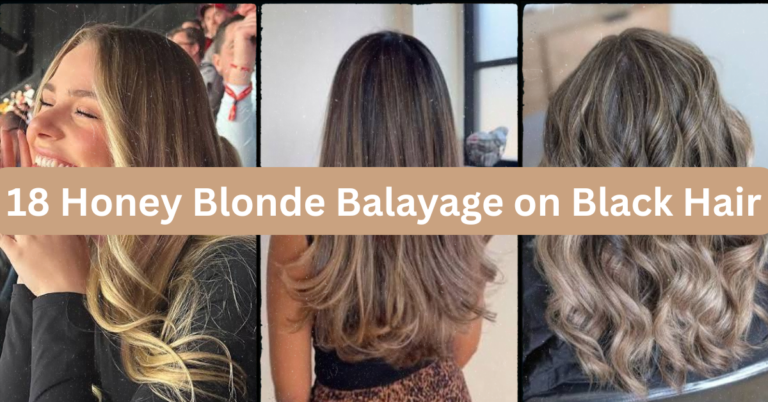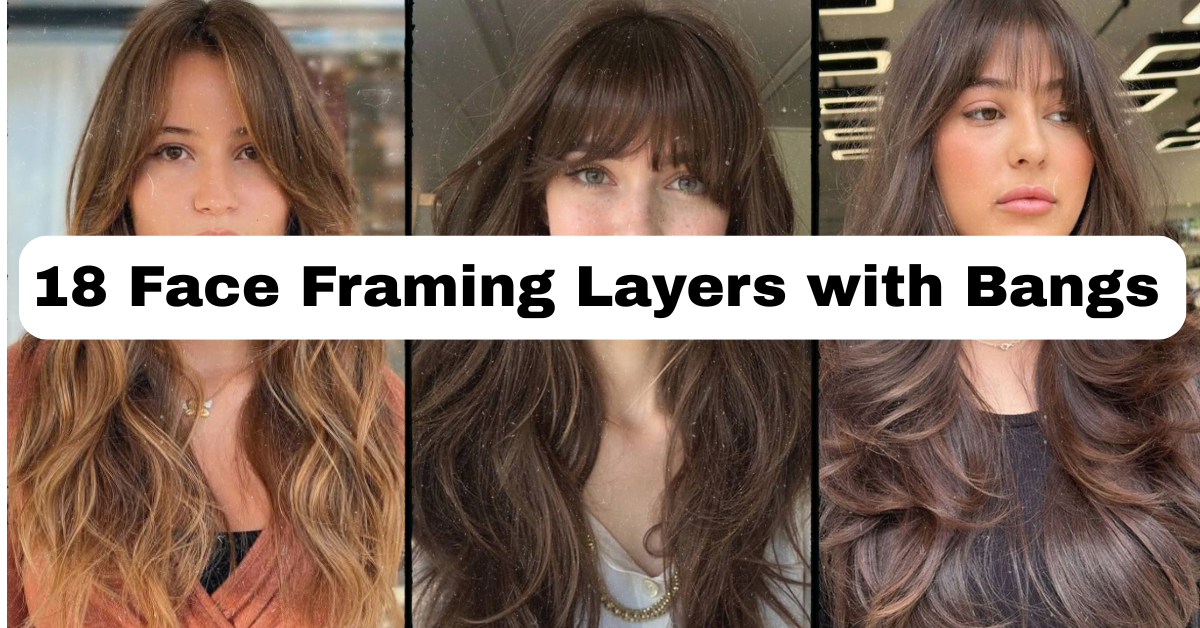
18 Face Framing Layers with Bangs That Actually Work For Your Face Shape
As someone who has been working for many years on creating the perfect haircut that looks fabulous not only on paper but also in real-life scenarios, especially when it comes to facing hot Tuesday commutes, face-framing layers with bangs are definitely something I have come across a lot during this journey. Through a combination of visits to hair salons, styling classes, and a lot of experimenting on my own hair, I know precisely which kinds of layers and bangs work best for different face shapes and which ones only work on Pinterest.
But what are some of the best face-framing layers with bangs? Face-framing layers with bangs are short layers cut around the cheeks and jawline along with bangs that help hide the forehead and draw attention to the eyes and cheekbones. Depending on the face shape and hair type, there are quite specific lengths and angles that need to be considered.
Keep watching, as I am about to reveal 18 face-framing layers with bangs and how to do them right.
What Makes Face-Framing Layers With Bangs So Popular Right Now
Do you ever think about how almost every celebrity haircut makeover includes adding some layers and bangs? Well, it is because this combination really is one of the safest hairstyles that give the most rewards at once. You do not need to drastically cut your hair. You do not need to bleach your head. You just play with pieces in order to make your hairstyle look more sculpted, alive, and purposeful.
Layers framing your face are working with your bone structure and not against it. Bangs smooth the strong lines on your forehead. Layers add dynamics to your hair so that it does not lie flat like a curtain. In other words, this hairstyle slims, contours, adds dynamics and even does not sacrifice the length of hair if you do not want it. And that is why hair stylists advise this cut to clients with lob hair, thin edges, and those who just want to make their hair more interesting than one length and boring.
Below I will show you 18 variations of this hairstyle according to hair type, face shape, and styling commitment so that you can show exactly what you want to your hairdresser.
1. Curtain Bangs With Long Face-Framing Layers
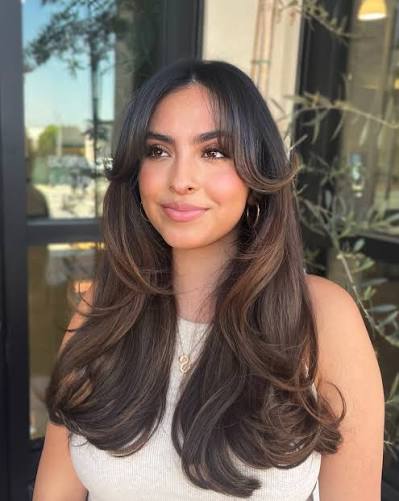
Curtain bangs parted down the middle and swept to either side are the most requested bang style for a reason — they’re forgiving, low-maintenance, and grow out gracefully. Pair them with long layers that start around the chin and cascade to the ends, and you get a soft, face-slimming effect that works on nearly every face shape. This style suits straight to wavy hair best, though a light blow-dry with a round brush helps curlier textures mimic the same swoop.
Use a heat protectant and a small round brush to train the part; a lightweight pomade keeps flyaways controlled without weighing hair down. This combo is perfect for round or square faces needing softness at the temples, and it transitions easily from casual weekends to polished office days.
2. Wispy Bangs With Short Face-Framing Layers
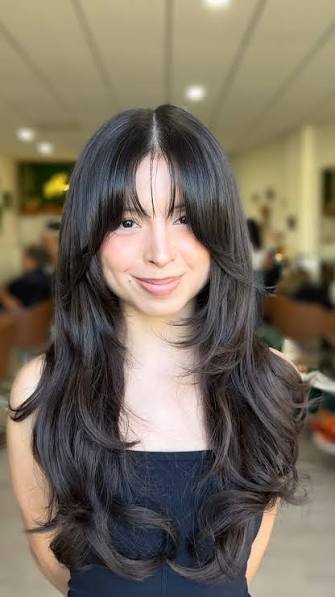
Wispy bangs are thin, feathered pieces that don’t fully cover the forehead — think airy, not blunt. Paired with short layers hitting around the collarbone, this creates a lightweight, youthful silhouette. Fine hair thrives here because thinner bangs don’t require much volume to look intentional, while thick hair may need some strategic thinning to avoid bulk.
A texturizing spray and a diffuser (if wavy) keep the wispiness looking effortless rather than stringy. This is a fantastic low-commitment option if you’re bang-curious but nervous about a full fringe, and it works beautifully for oval and heart-shaped faces that don’t need heavy coverage.
3. Side-Swept Bangs With Long Layers
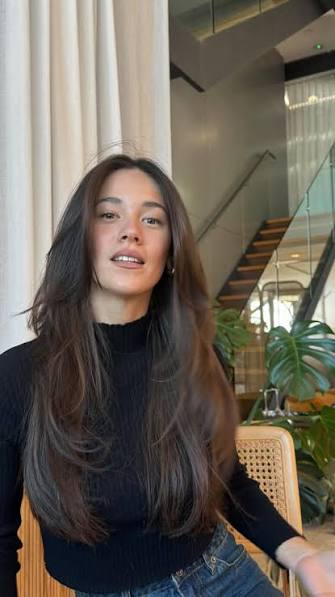
Side-swept bangs angle diagonally across the forehead instead of straight down, which makes them one of the most universally flattering options — especially for square or rectangular faces that need diagonal softness. Combined with long layers starting mid-chest, this style keeps length while still framing the cheekbones.
Blow-dry the bangs to the side using a paddle brush, then set with a light-hold hairspray. Straight and wavy hair hold this shape best; curly hair may need a flat iron touch-up on the fringe alone. It’s an easy everyday look that also dresses up nicely for events when paired with soft waves.
4. Blunt Bangs With Face-Framing Layers
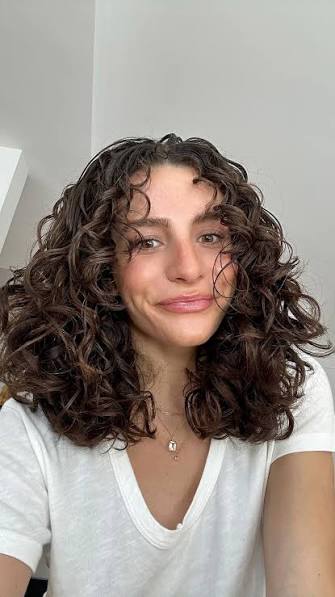
Blunt, straight-across bangs make a statement, and when paired with softer face-framing layers below the cheekbone, the combination balances boldness with movement. This works incredibly well on oval and heart-shaped faces, but round or square faces should keep the layers longer to avoid extra width.
Blunt bangs demand more upkeep, expect a trim every 3–4 weeks to maintain the sharp line. A flat iron and a bit of shine serum keep them sleek. This is a striking choice for anyone wanting a more editorial, fashion-forward vibe without cutting all their length off.
5. Choppy Bangs With Textured Layers
Choppy bangs are cut with a razor or thinning shears to create jagged, piece-y ends rather than a clean line. Paired with textured layers throughout, this look feels effortlessly undone — almost “I woke up like this” chic. It’s a favorite for thick or coarse hair because the choppiness removes bulk naturally.
Style with a texture paste worked through damp hair, then air-dry or diffuse for extra piece-y definition. This is a low-maintenance option that hides regrowth and unevenness well, making it ideal for anyone who doesn’t want to style daily but still wants shape.
6. Feathered Bangs With Face-Framing Layers
Feathered bangs are layered within themselves, blending softly into the surrounding hair rather than standing as a distinct fringe. This vintage-inspired look, updated with modern face-framing layers, creates a seamless, flowing effect that suits fine to medium hair particularly well.
A round brush and medium-hold mousse help create that soft feathered flip. This style is wonderfully versatile — casual for daytime, elegant when paired with a half-up style for evening events. It softens angular faces beautifully while adding volume for those with thinner strands.
7. Bottleneck Bangs With Long Layers
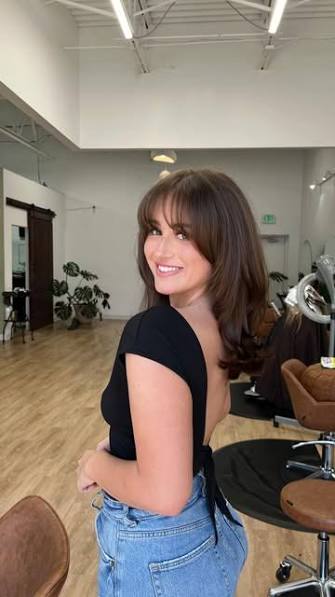
Bottleneck bangs are short and wispy near the center part, gradually lengthening as they blend into the rest of the hair — resembling the neck of a bottle. Combined with long layers, this creates a subtle frame without committing to full-width bangs. It’s a great transitional style if you’re growing bangs out or growing them in.
Curling wand touch-ups on the shortest pieces enhance the wispy effect. This works especially well on longer face shapes needing width at the temples, and it’s virtually maintenance-free between trims.
8. See-Through Bangs With Subtle Face-Framing
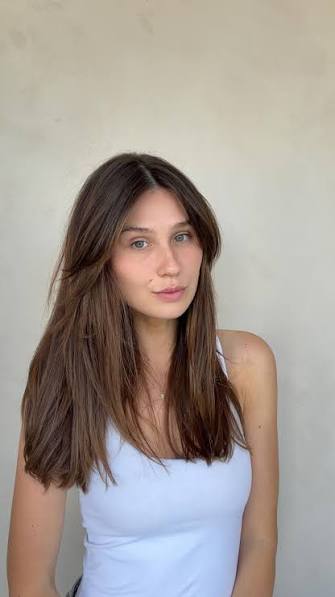
See-through bangs are thin and sheer, allowing some forehead to peek through rather than fully hiding it. Paired with subtle, longer face-framing pieces, this creates a soft, barely-there frame that’s incredibly popular in K-beauty-inspired styling. Fine-haired individuals naturally achieve this texture; thicker hair needs the bangs thinned by a stylist.
A dry shampoo at the roots keeps this style fresh between washes since fine, sheer bangs show oil quickly. It’s ideal for anyone wanting the bang effect without the heavier, more committed look of a full fringe.
9. Layered Bangs With Curly Face-Framing Layers
Curly hair and bangs have a complicated history, but done correctly, layered curly bangs framing the face can be gorgeous. The key is cutting curls dry, one curl at a time, so each piece springs up to the correct length without shrinkage surprises. Face-framing layers throughout the rest of the hair add shape without stripping curl pattern.
Use a curl cream and diffuse on low heat for definition. This style solves the classic curly-hair complaint of “too much volume, no shape,” giving structure while keeping bounce intact.
10. Micro Bangs With Bold Face-Framing Layers
Micro bangs sit high above the eyebrows and are not for the faint of heart, but paired with dramatic face-framing layers, they create a bold, editorial statement. This look is best suited for oval or heart-shaped faces with balanced proportions; round or square faces may want to avoid this combo since it exposes the full forehead width.
Regular trims every 2–3 weeks are non-negotiable to maintain shape. A small round brush and light gel keep them controlled. This is a high-commitment, high-impact style for someone ready to stand out.
11. Face-Framing Layers With Bangs For Thick Hair
Thick hair often overwhelms bangs with sheer volume, so the trick is heavy point-cutting and thinning throughout the fringe and face-framing pieces. This prevents a “helmet” effect and instead creates movement. Long layers cut at various lengths around the face reduce bulk while maintaining fullness everywhere else.
A lightweight mousse (never heavy cream) keeps thick bangs from feeling weighed down. This combination works for nearly every face shape since thick hair provides enough material to shape however needed.
12. Face-Framing Layers With Bangs For Fine Hair
Fine hair benefits from face-framing layers cut at slightly shorter lengths to create the illusion of volume and thickness. Wispy or curtain bangs work best here since anything too blunt can look flat and sparse on thin strands. Root-lifting mousse and a round brush blow-dry add crucial body.
This combination is a game-changer for fine-haired women who feel their hair “has no shape” — the shorter layers create dimension that fine hair alone can’t achieve.
13. Shaggy Layers With Curtain Bangs
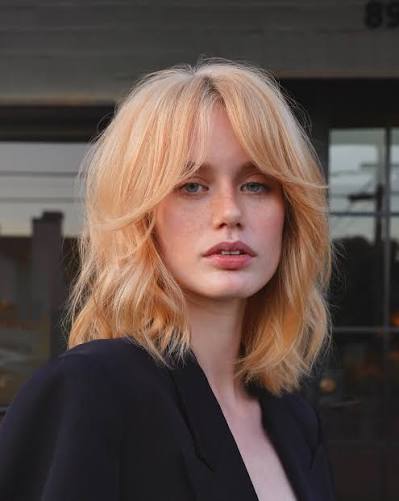
The shag haircut has made a massive comeback, and pairing it with curtain bangs creates a rock-and-roll, textured silhouette. Layers are cut short at the crown and gradually lengthen, creating a choppy, feathered shape throughout — face-framing pieces blend right into the shag’s structure.
Texturizing spray and a bit of tousling with your fingers while air-drying gives this style its signature undone look. It suits wavy and curly hair exceptionally well and requires minimal daily styling once the cut is dialed in.
14. Face-Framing Layers With Bangs And Balayage
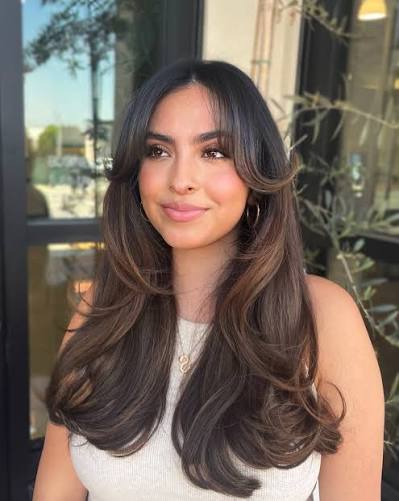
Adding balayage to face-framing layers takes the contouring effect even further — lighter pieces placed strategically around the face highlight your best angles and add dimension to the layers themselves. This works on any hair length but shows off best on longer layers where the color has room to blend.
Ask your colorist for face-framing balayage specifically, since generic balayage may not target the correct pieces. Toning treatments every 6–8 weeks keep brassiness away. This combo is a favorite for anyone wanting a subtle, sun-kissed upgrade alongside their haircut.
15. Long Bob (Lob) With Face-Framing Layers And Bangs
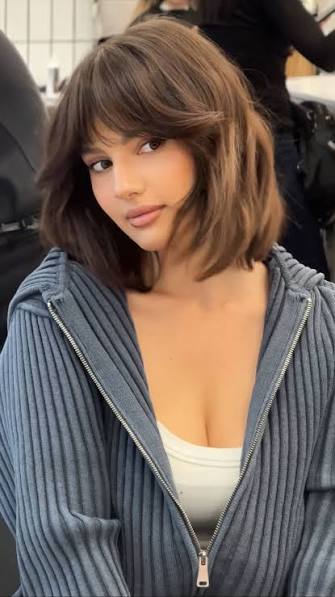
The lob remains one of the most requested cuts, and adding face-framing layers with bangs keeps it from looking too uniform or heavy. Layers typically start around the cheekbone, with bangs — curtain or side-swept — softening the overall shape. This length flatters almost every face shape and hair texture.
A flat iron for sleek styling or a curling wand for soft waves both work beautifully here. It’s an easy, versatile length for work, weekends, and dressier occasions alike.
16. Pixie Cut With Face-Framing Fringe
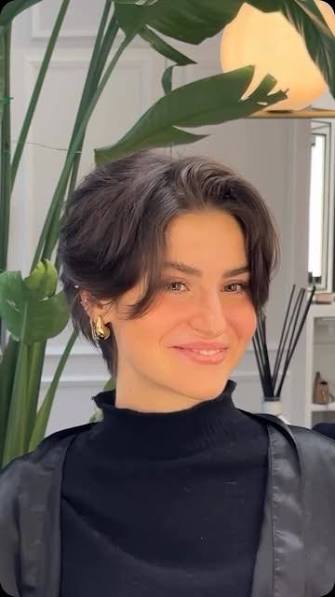
Even short pixie cuts can incorporate face-framing elements through longer, swept fringe pieces at the temples. This softens the boldness of a pixie while keeping the low-maintenance appeal short hair is known for. Straight and wavy hair styles easiest, though curly pixies can work with proper diffusing technique.
A small amount of pomade defines the fringe pieces without stiffness. This is ideal for anyone craving dramatic change with minimal daily styling time required.
17. Face-Framing Layers With Bangs For Round Faces
Round faces benefit most from longer, angled layers starting below the chin combined with side-swept or curtain bangs — anything that adds vertical length rather than width. Avoid blunt, chin-length bangs, which shorten the face visually.
Styling with a flat iron to elongate ends, rather than curling under, enhances the slimming effect. This targeted combination directly solves the “my face looks wider than I want” concern many round-faced women share.
18. Face-Framing Layers With Bangs For Square Faces
Square faces need softness at the jawline, so side-swept or wispy bangs combined with layers that curve slightly inward toward the chin work wonders. Sharp, blunt lines should be avoided since they emphasize angularity already present in the bone structure.
A round brush blow-dry curving ends inward softens the jaw beautifully. This combination balances strong features with gentle movement, ideal for both professional settings and evening events.
Face Shape Comparison Table
| Face Shape | Best Bang Style | Best Layer Length | Avoid |
|---|---|---|---|
| Round | Side-swept or curtain | Below chin, angled | Blunt bangs, short chin-length layers |
| Square | Wispy or side-swept | Curved inward at jaw | Sharp blunt lines |
| Oval | Almost anything works | Any length | Nothing major to avoid |
| Heart | Wispy, see-through | Cheekbone-length | Heavy, full bangs |
| Long/Rectangular | Bottleneck, full | Layers adding width | Center-parted flat styles |
Hair Type Suitability Table
| Hair Type | Best Bang Style | Styling Tool Needed | Maintenance Level |
|---|---|---|---|
| Fine | Wispy, curtain | Round brush, mousse | Medium |
| Thick | Choppy, blunt (thinned) | Thinning shears, texture paste | Medium-High |
| Curly | Layered, hand-cut dry | Diffuser, curl cream | High |
| Wavy | Side-swept, shag | Texturizing spray | Low-Medium |
| Straight | Blunt, feathered | Flat iron, round brush | Medium |
Tips For Success
Getting face-framing layers with bangs right isn’t just about the cut — it’s about how you maintain and style them afterward. Here’s what actually helps:
- Bring photos to your appointment, but also describe your hair’s natural behavior (does it frizz, hold curl, go flat?) so your stylist can adjust the plan accordingly.
- Get bangs trimmed every 3–6 weeks depending on style; longer curtain bangs stretch further between trims than blunt fringe.
- Invest in a good heat protectant spray if you’re blow-drying or flat-ironing your face-framing pieces regularly.
- Ask your stylist to cut bangs slightly longer than you think you want — you can always go shorter, but you can’t add length back.
- Use dry shampoo at the roots of your bangs between washes since fringe tends to get oily faster than the rest of your hair.
Common Mistakes And How To Avoid Them
Mistake: Getting bangs cut wet.
Fix: Wet hair shrinks up when it dries, especially if it has any wave or curl. Ask your stylist to do a final dry cut so the length is accurate.
Mistake: Choosing a bang style that ignores your cowlick or hairline pattern.
Fix: Point out any cowlicks before the cut — they dramatically affect how bangs fall and part.
Mistake: Skipping regular trims.
Fix: Face-framing layers grow out unevenly faster than you’d expect. A quick “dust and shape” every month keeps the frame intact.
Mistake: Using heavy products on fine, wispy bangs.
Fix: Stick to lightweight mousses or dry shampoos — heavy creams weigh down thin fringe instantly.
Mistake: Not considering your natural texture before committing.
Fix: Curly hair bangs shrink up significantly; always factor in curl pattern before finalizing length.
Wrapping It Up
Face framing layers with bangs genuinely might be the most flattering, adaptable haircut category out there right now — whether you’ve got fine strands, thick curls, or somewhere in between. The trick is matching the bang style and layer placement to your actual face shape and hair texture, not just copying a photo blindly.
I hope these 18 ideas gave you a clearer picture of what could work for you, along with the styling tools and small tweaks that make all the difference between “meh” and “wow.” Bring this list to your next appointment, and trust me — the right face framing layers with bangs will change how you see your reflection.