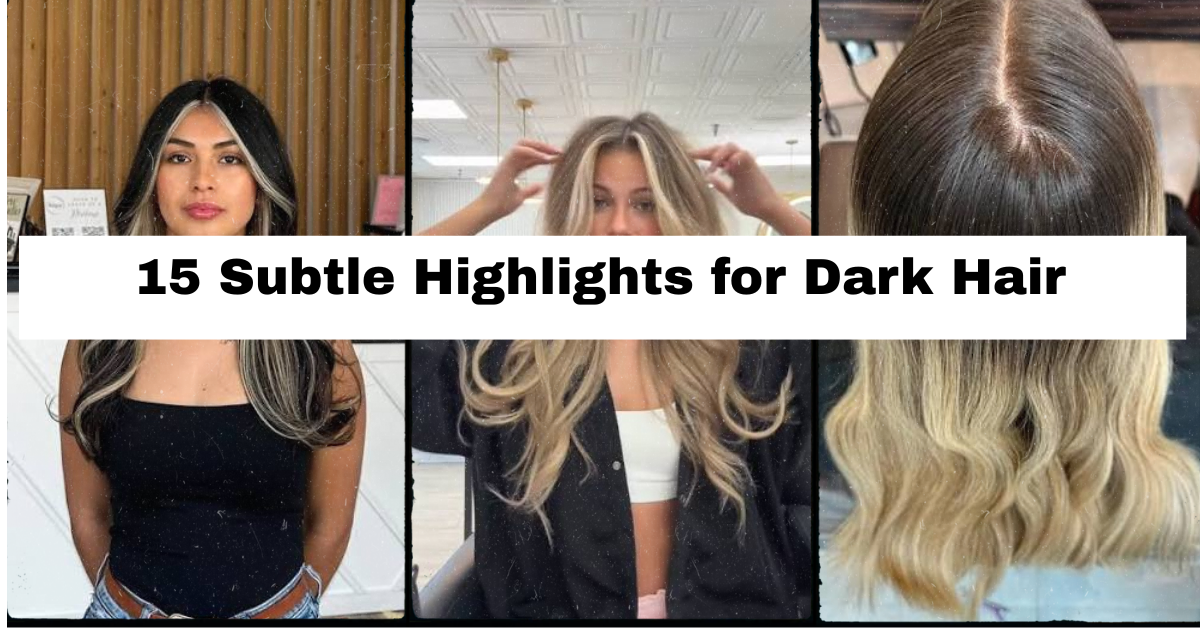
15 Subtle Highlights for Dark Hair That Look Expensive, Not Overdone
After having tried many times how different color placements can suit my dark hair, after visiting numerous salons, I can say that most of the guides to “subtle highlights” on the Internet are not very useful. Well, here comes the time to make it right.
What are some of the best subtle highlights to use on dark hair without being too obvious about them? Some of the best subtle highlights for dark hair are face framing balayage, money piece highlights, and babylights with 2-3 inch placement in a slightly lighter shade, which is only 2-3 levels lighter than your basic color.
Still with me? Here come some 15 options to choose from along with some analysis of their sustainability.
What Makes Highlights “Subtle” Anyway?
The one thing that no one mentions before you get started is that being subtle goes beyond using minimal bleach. Subtle highlights depend on where you apply them, what undertones you use, and a highlight application method that will match rather than stand out. If your hair is naturally very dark, from deep browns to espresso to jet black, you should choose highlights that are very close to your natural hair’s undertone family. Warm brunettes will look good with caramel and honey highlights. If your natural hair is cool brunette, ash and champagne tones will be more natural.
Another thing that is important is the way your hair is highlighted. Your hair type, whether fine, thick, curly or straight, dictates which highlighting method suits you best.
1. Face-Framing Balayage

And there is a reason why this hair color trend is a classic. This is face-framing balayage where highlights are done exclusively at the hairline and that is two or three strands per each side only. With hand painting, you have no hard edges, but natural sun-kissed strokes that get softer and softer while growing.
It looks great on straight or wavy hair, on medium and long lengths of hair, and on all types of face shapes because you choose yourself where you want the light fall. Those who have round face shape will love the placement that starts from the upper part of the head, while oval and heart face shapes will look fabulous with lower and longer placement. And if you want your face-framing highlights to be really subtle, then ask your hairdresser for a “soft money piece”.
2. Money Piece Highlights
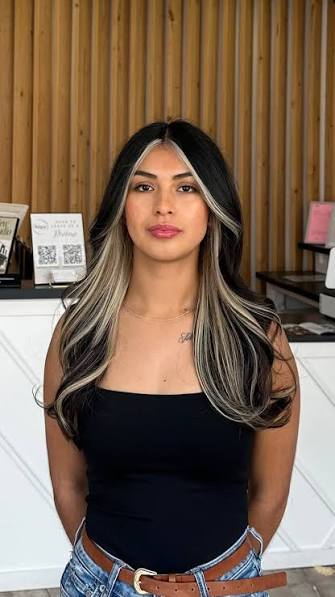
The money piece is that face-framing chunk of lighter hair right at the front, usually starting an inch or two from your part. On dark hair, keeping this piece just a few shades lighter (not platinum) creates a subtle glow instead of a stark contrast.
Best for straight or slightly wavy hair with a defined part, this style flatters almost every face shape and works on both long and shoulder-length hair. Curly hair can pull it off too, but expect the highlight to look slightly less crisp since curls diffuse the line.
Style with a flat iron or curling wand to bring the piece forward, this is what makes it pop without needing extra highlights elsewhere. It’s a great low-commitment option if you’re highlight-curious but hair-color-shy.
3. Babylights Throughout
Babylights are essentially highlights done with a finer, more delicate touch — thin sections, subtle color shift, spaced closely for a soft overall lift rather than chunky streaks. Think of it as the difference between a whisper and a shout.
This technique is ideal for fine to medium hair, since thick sections would overwhelm delicate strands. It suits any length and works on straight, wavy, or curly textures equally well. Because babylights mimic how hair naturally lightens in the sun, they blend seamlessly and grow out with minimal visible regrowth line.
Maintenance-wise, expect touch-ups every 3-4 months, longer than chunkier highlights. This is the go-to if your goal is “did she or didn’t she?”
4. Root-to-Tip Melt
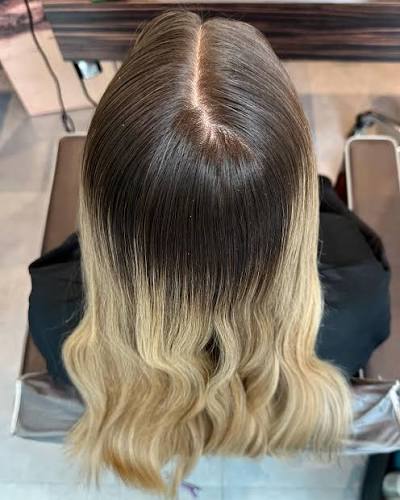
Instead of a hard highlight line, a root melt blends your natural dark roots into lighter ends using a gradual color transition. No foils near the scalp — just soft blending that makes regrowth basically invisible.
This works particularly well for long hair and thick textures, where the gradual transition has more room to breathe. Straight hair shows the melt smoothly; curly hair adds nice texture to the blend. It’s a fantastic option for anyone who’s tired of visible roots every few weeks, this style can go 4-6 months between salon visits.
Use a color-depositing conditioner between appointments to keep the melt looking intentional rather than grown-out.
5. Chunky Peekaboo Highlights (Underneath)
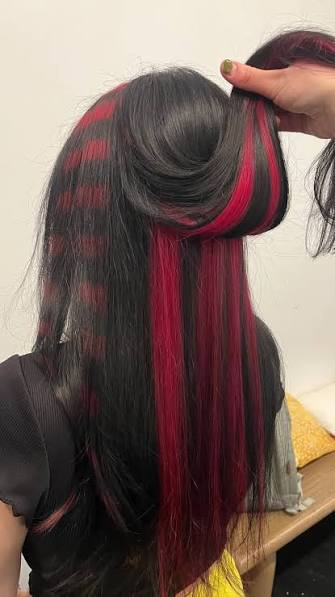
Peekaboo highlights hide underneath the top layer of hair, only showing when you tuck your hair back, tie it up, or let the wind do its thing. It’s subtle for everyday wear but surprises people when your hair moves.
This is a fun option for anyone with layered hair, since the layers naturally reveal the color underneath. Works on all hair types, thick hair hides them better, fine hair shows them more easily. Great for workplaces with conservative dress codes since the color stays hidden most of the day.
Try a half-up style occasionally to let the color peek through intentionally. This solves the “I want highlights but my office is strict” dilemma perfectly.
6. Caramel Balayage on Brunette Hair
Caramel tones warm up dark brown hair without creating harsh contrast. The balayage technique, hand-painted rather than foiled, creates a soft gradient that looks like natural dimension rather than “highlights.”
This shade works best on warm-toned brunettes with medium to dark brown bases. Any length works, though it shows off best on hair past the shoulders where the color has room to move. Straight and wavy hair display the gradient smoothly; curly hair adds gorgeous texture. Ask for “low-lights mixed in” if you want extra dimension instead of just lightness.
Great for fall and winter when warm tones feel seasonally appropriate.
7. Ash Blonde Babylights for Cool Brunettes
If your natural hair has cool, ashy undertones, warm highlights will clash. Ash blonde babylights keep everything in the same cool family, creating subtle brightness without the brassy pull that warm tones can cause on cool-based hair.
Best suited for cool-toned dark brown or black hair, this works on all lengths and most textures. Fine hair benefits especially since babylights don’t overwhelm delicate strands.
You’ll need a purple or blue-toned shampoo once every week or two to keep brassiness from creeping in between salon visits. This is the fix for anyone who’s tried warm highlights before and hated how quickly they turned orange.
8. Face-Framing Highlights with a Deep Side Part
Pairing face-framing highlights with a deep side part maximizes how much light hits your face. The deeper part exposes more of the highlighted pieces, creating a brighter, more noticeable frame around your features without adding highlights anywhere else.
This combo works best on straight or lightly waved hair, medium to long lengths. Oval and heart-shaped faces look especially balanced with this style, though round faces benefit too since it elongates visually.
A flat iron or diffuser (for wavy hair) helps set the part and keep the highlighted pieces visible throughout the day. This is a smart pick for anyone wanting noticeable results with minimal color used.
9. Soft Copper Highlights
Copper highlights on dark hair create warmth without looking like a full color change. Kept subtle , thin sections, low saturation, copper adds a reddish-gold glow that catches light beautifully, especially outdoors or under warm indoor lighting.
This shade flatters warm and neutral skin tones best and works wonderfully on medium to dark brown bases. Curly and wavy hair show off copper’s warmth especially well since the texture catches and reflects the tone.
Use color-safe, sulfate-free shampoo to prevent the copper from fading into brassy orange. A great choice for anyone wanting a “warmer version of myself” look rather than a dramatic shift.
10. Foilyage for Textured Dimension
Foilyage combines balayage’s hand-painted technique with foils to seal in the lightener, creating slightly more lift and definition than balayage alone — while still avoiding the harsh lines of traditional foil highlights.
This method suits thick or coarse hair particularly well, since foils help the lightener process more evenly through denser strands. Works on all lengths; medium to long hair shows the technique’s dimension best. Straight hair displays crisp foilyage lines; curly hair blends them into soft texture. This is the technique to request if balayage alone hasn’t given you enough visible lift.
11. Tortoiseshell Highlights
Inspired by, yes, tortoiseshell accessories, this technique mixes caramel, chocolate, and auburn tones throughout dark hair for a rich, multi-dimensional look that still reads as “natural” rather than “colored.”
Best for medium to dark brown bases, this works gorgeously on long, layered hair where multiple tones have room to show. Wavy and curly textures are ideal since the varied tones catch light differently through each curl. Straight hair works too but benefits from loose waves to enhance the color movement. This solves the boredom of flat, single-tone brunette hair without committing to bold highlights.
12. Halo Highlighting
Halo highlighting places subtle lightness only at the crown and top layers of hair — areas that catch the most natural light. It’s an understated technique that brightens your overall look without touching the length or ends.
This works best on hair with layers or long hair worn in updos, since the crown area gets the most visibility. Suitable for all hair types, though fine hair shows the halo effect more delicately. This is a smart choice for anyone who wants brightness specifically when hair is worn up — think ponytails, buns, or half-up styles for work or events.
13. Subtle Grey Blending Highlights
For dark hair transitioning to grey, subtle silver or ash highlights placed strategically can soften the contrast between natural grey regrowth and dyed dark hair, making the grow-out process look intentional rather than patchy.
This technique works on any texture and length, though it’s especially helpful for women in the early stages of embracing grey. A good colorist will map your natural grey pattern and match highlights accordingly. Toning shampoo formulated for grey or silver hair helps maintain the blend between appointments. This solves one of the trickiest transitions in haircare — going grey without the awkward two-tone phase.
14. Bronde Balayage
Bronde — the brown-blonde hybrid — creates highlights that are lighter than traditional brunette highlights but still grounded enough to look subtle rather than drastic. It’s a middle-ground shade that flatters an enormous range of skin tones.
Best on medium to dark brown bases, bronde balayage works on all lengths and looks particularly stunning on wavy or curly hair, where the tonal blend adds visible depth. Straight hair shows a smoother gradient. This is ideal for anyone who wants to lighten their overall look without fully committing to blonde.
15. Micro-Highlights for Fine Hair
Micro-highlighting uses extremely fine sections — thinner even than babylights — to add subtle texture and movement to fine, thin hair without overwhelming it with too much lightened volume.
This technique is specifically designed for fine or thin hair types where regular highlights might look too chunky or heavy. Works on all lengths, though shorter styles show the texture-boosting effect especially well. This solves the common fine-hair problem of highlights looking too bold or blotchy for delicate strands.
Comparing Subtle Highlight Techniques
| Technique | Best Hair Type | Maintenance (months) | Best Face Shape | Styling Difficulty |
|---|---|---|---|---|
| Face-Framing Balayage | Straight, Wavy | 4-6 | All shapes | Easy |
| Money Piece | Straight | 3-5 | Oval, Heart | Easy |
| Babylights | Fine, Medium | 3-4 | All shapes | Moderate |
| Root Melt | Thick, Long | 4-6 | All shapes | Easy |
| Peekaboo | All types | 4-5 | All shapes | Easy |
| Foilyage | Thick, Coarse | 3-5 | All shapes | Moderate |
| Micro-Highlights | Fine, Thin | 2-4 | All shapes | Moderate |
Tips for Success
- Always get a strand test if you’re switching from warm to cool tones (or vice versa)
- Use color-safe, sulfate-free shampoo to extend vibrancy between appointments
- Book a gloss or toner refresh every 6-8 weeks to keep subtle highlights from turning brassy
- Bring reference photos to your consultation — “subtle” means different things to different colorists
- Deep condition weekly since lightened strands, even subtle ones, dry out faster than your natural hair
- Ask about your hair’s porosity before highlighting — high porosity hair grabs and fades color faster
Common Mistakes and How to Avoid Them
Going too light, too fast is the biggest mistake I see. If your highlights are more than 3-4 levels lighter than your base, they stop looking subtle and start looking like separate colors sitting on top of your hair. Ask your colorist to stay within 2-3 levels for that seamless, natural effect.
Another common issue: ignoring undertones. Warm highlights on cool-toned dark hair (or vice versa) create clashing, muddy results that fade unevenly. Always match your highlight tone family to your natural undertone.
Spacing highlights too far apart is another one. Wide gaps between highlighted sections create a striped look instead of soft dimension. Closer spacing — especially with babylights or foilyage — blends far more naturally.
Lastly, skipping maintenance products is a fast track to brassy, dull highlights. Purple shampoo, color-safe conditioner, and regular toning appointments aren’t optional extras — they’re what keeps subtle highlights looking intentional instead of grown-out and faded.
Wrapping It Up
Subtle highlights for dark hair aren’t about doing less — they’re about doing it smarter. Whether you go with face-framing balayage, babylights, or a soft root melt, the goal stays the same: dimension that looks like it belongs there naturally.
Pick the technique that fits your hair type, bring these ideas to your next consultation, and trust me — the right subtle highlights will make people ask if you just got back from vacation, not if you got your hair done.