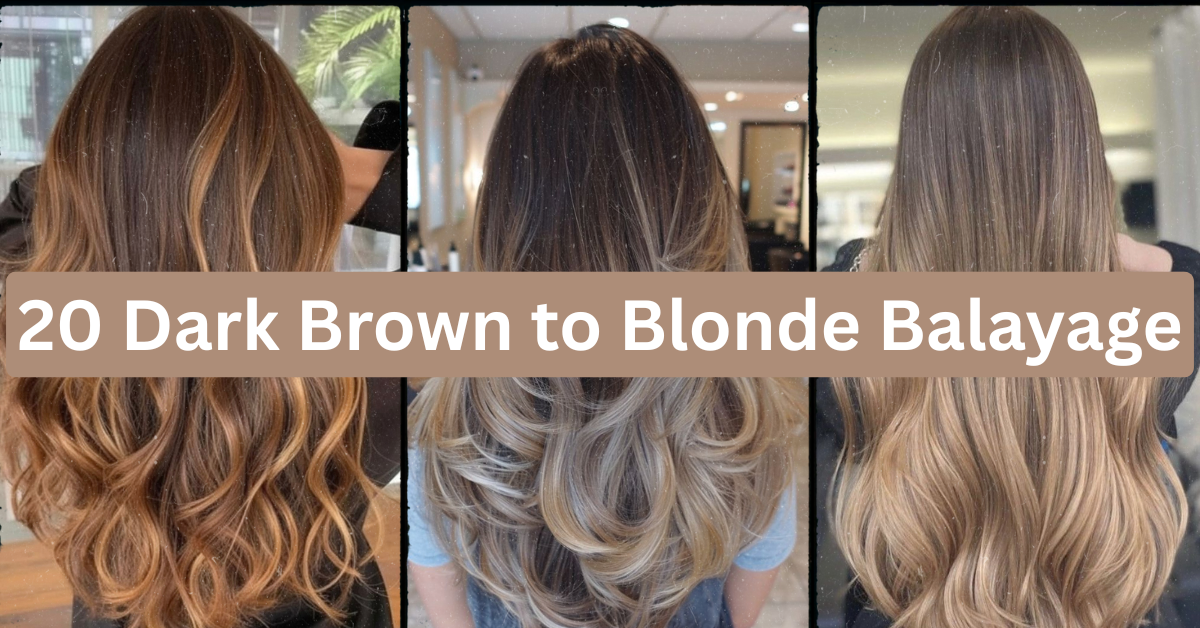
20 Dark Brown to Blonde Balayage Ideas That Will Transform Your Look
For years now, I have been analyzing trends in color, consulting colorists and experimenting on what really works versus what looks beautiful in a photo for five minutes. As far as dark brown to blonde balayage goes, I know the secret formula that will turn your transformation into an absolute success.
So what is dark brown to blonde balayage? It is a highlighting technique where dark brown roots are combined with light blonde ends in one soft gradient effect. In contrast to foil highlights, balayage appears much more natural because of the freehand painting.
Stay with me because I am going to share not only some eye candy photos but also what style suits your face shape, hair type and even lifestyle — things most articles do not pay any attention to.
Why Balayage Beats Traditional Highlights (And What Makes It Work)
For many years already, I have been studying the trends in colors, talking with the colorists and testing what really works and not just looks great for five minutes on the photos. Regarding the dark brown to blonde balayage, I can tell you the special formula which will make your change amazing.
What is the dark brown to blonde balayage? Balayage is the technique of highlighting which involves combining the dark brown roots with light blonde ends in one smooth gradient transition. Unlike the foil highlights, balayage looks much more natural thanks to the free hand painting.
Don’t go away yet, because I am about to show you not only the stunning pictures but also the styles which will suit your face type, hair type and even your lifestyle!
1. Classic Dark Brown to Golden Blonde Balayage
It’s the balayage you have in mind whenever you hear of the style: blonde hair with an orange honey hue emerging from dark chocolate roots. It’s a perfect combination, because golden hair complements most skin undertones especially those of a warm or neutral nature. I would suggest this one to people with medium to long hair, that is wavy at least a bit. You should ask your colorist to include babylights into your balayage for extra dimension in the facial area.
Maintenance is not too demanding: you should have a toning treatment every 6-8 weeks. It perfectly solves the issue of wanting to be blonde without having too much hassle. It’s perfect and will definitely suit almost anyone.
Now let’s discuss an opposite version for those who have warmer skin.
2. Chocolate Brown to Ash Blonde Balayage
If gold and honey tones make your skin look sallow, ash blonde is your answer. This combo pairs deep chocolate brown roots with a smoky, almost gray-toned blonde. It’s especially stunning on cool-toned skin with pink or blue undertones. Straight, sleek hair shows off the ash tones best, since shine amplifies the cool cast.
You’ll need purple or blue-toned shampoo weekly to keep brassiness away — ash blonde fades into warmth fast. This style works great for professional settings because it feels polished and intentional rather than beachy. It’s a low-key way to experiment with blonde without looking like you spent a weekend at the beach.
Let’s move toward something a little more golden and warm-weather friendly.
3. Espresso to Honey Blonde Balayage
Picture the richest cup of coffee you’ve ever had, then imagine it fading into warm honey. That’s this look. Espresso roots are darker and more intense than standard chocolate brown, making the honey blonde ends pop even more dramatically. This works wonderfully on thick, coarse hair because the deeper root anchors the style and doesn’t wash out visually.
Curly-haired friends, this one’s for you too, the color break-up between root and end adds depth to curl patterns that solid color often flattens. Use a leave-in conditioner with UV protection since honey tones can shift with sun exposure. This balayage creates warmth and richness, perfect for fall and winter when you want color depth without going full blonde.
Now, let’s crank up the contrast for those wanting a bolder statement.
4. Dark Brown to Platinum Blonde Balayage
This is the high-drama option. Deep brown roots crash into icy, near-white platinum ends, creating maximum contrast. It’s striking, editorial, and not for the faint of heart — or the low-maintenance crowd. Fine hair can struggle with platinum because of the lightening process required, so this is best suited for medium to thick hair that can handle multiple lightening sessions.
Root touch-ups are needed every 4-6 weeks to prevent an awkward growing-out phase, since the contrast is so extreme. Toning appointments are non-negotiable — expect monthly visits. This style says confidence. It’s for special events, editorial shoots, or anyone who wants their hair to make a statement the second they walk into a room.
If that felt too intense, here’s a softer version that still turns heads.
5. Soft Dark Brown to Beige Blonde Balayage
Beige blonde sits right between warm and cool, making it one of the most universally flattering shades out there. Paired with dark brown roots, it creates a subtle, lived-in look that doesn’t scream “I just left the salon.” This is ideal for anyone with olive or neutral skin tones who wants blonde without going too warm or too ashy.
Wavy and straight hair both work well here, though wavy texture enhances the dimensional blend even more. A lightweight color-depositing conditioner helps maintain the beige tone between salon visits. This balayage solves the “I don’t want to commit to a bold color” dilemma — it’s subtle enough for the office but still noticeably gorgeous.
Let’s warm things up a notch with a caramel-infused option.
6. Dark Brown to Caramel Blonde Balayage
Caramel blonde brings warmth without going full golden. It’s rich, dimensional, and works incredibly well on medium to long hair with layers, since the caramel catches light along each layer’s edge. This shade flatters tan and deeper skin tones especially well, adding a glow that golden blonde sometimes can’t achieve.
For styling, loose waves show off the color transition best — think beachy waves from a curling wand. Maintenance sits in the moderate range, needing a gloss treatment every 8 weeks to keep the caramel from turning brassy. This look is a favorite for fall weddings, casual weekends, and everyday wear because it feels effortlessly chic without demanding constant upkeep.
Now for a look that’s blowing up on social media right now.
7. Dark Brown Root with Buttery Blonde Ends
Buttery blonde is softer and creamier than golden blonde, without the ashy undertone of beige. This combo is having a major moment because it looks natural, almost like your hair lightened from years in the sun. It’s perfect for fine to medium hair since buttery tones don’t require extreme lightening, keeping hair health intact.
I always tell clients this shade works best on hair with some layering, since it allows the buttery tone to move and shift with each strand. A hydrating hair mask weekly is a must — buttery blonde tends to dry out with sun exposure and pool chlorine. This balayage is ideal for spring and summer, giving off that “I woke up like this” vibe with minimal actual effort.
Ready for something dramatically icy? Let’s go there next.
8. Dark Brown to Icy Blonde Balayage
Icy blonde is platinum’s slightly less intense cousin — still cool-toned but a touch more wearable for everyday life. Paired with dark brown roots, it creates a striking, almost frosted effect. This works best on straight or sleek hair, since icy tones photograph beautifully under smooth, shiny strands.
Because icy blonde requires significant lightening, this isn’t recommended for damaged or previously chemically-treated hair without a strengthening treatment first. Toning every 5-6 weeks keeps the ice factor intact rather than fading into yellow. This is a fantastic choice for formal events and winter months, where cooler tones feel seasonally appropriate and effortlessly elegant.
Let’s swing back toward warmth with a shade perfect for redheads-at-heart.
9. Dark Brown to Strawberry Blonde Balayage
If you love the idea of red but aren’t ready to commit, strawberry blonde balayage is the perfect middle ground. Dark brown roots melt into a coppery, rose-gold blonde that’s unique and eye-catching without being overly bold. This shade flatters fair and medium skin tones with warm or peachy undertones especially well.
Curly and wavy hair types show this color beautifully because the multi-tonal effect mimics natural light reflections within curls. Color-safe shampoo formulated for red tones will help maintain vibrancy, since copper and strawberry shades fade fastest of all blonde variations. This balayage works wonderfully for casual, everyday looks and adds a playful, whimsical energy that’s hard to replicate with any other combination.
Now let’s talk short hair, because balayage isn’t just for long locks.
10. Balayage for Short Hair (Dark Brown to Blonde Bob)
Short hair balayage requires a different painting technique since there’s less length for the color to travel and blend. A dark brown to blonde bob uses shorter, more concentrated pieces near the face and crown, creating movement without needing length. This style suits round, oval, and square face shapes particularly well since the color placement can be adjusted to slim or soften the jawline.
I always recommend texturizing spray or a light pomade for bobs — it enhances the piecey look that makes balayage pop even on shorter strands. Maintenance is actually lower here since there’s simply less hair to color and blonde grows out faster looking intentional on a bob. This is a fantastic low-maintenance option for busy women who still want dimension.
Curly hair deserves its own spotlight too, so here’s how balayage works with natural texture.
11. Balayage for Curly Hair (Dark Brown to Blonde)
Curly hair transforms balayage into something even more three-dimensional. Because curls twist and turn, the color placement creates natural-looking highlights that seem to appear and disappear as your curls move. This is ideal for anyone with type 2 or type 3 curls who wants added texture and depth.
Colorists typically paint curly hair while it’s stretched or blown out straight to ensure even, accurate placement, then let the curls spring back to reveal the finished dimensional effect. A curl-defining cream mixed with a lightweight oil keeps curls bouncy and prevents the color-treated strands from feeling brittle. This balayage style is perfect for showcasing natural texture confidently, whether you’re headed to work or a weekend brunch.
Let’s talk about framing your face specifically, because that’s a total game-changer.
12. Dark Brown to Blonde Balayage with Face-Framing Highlights
Face-framing balayage concentrates the lightest, brightest pieces directly around the face — think temples, cheekbones, and the front pieces that frame your jawline. This brightens your complexion and draws attention upward toward your eyes. It’s incredibly versatile, working on nearly every face shape and length, from lobs to long layers.
The key styling tip here is to curl or wave the front pieces slightly differently than the rest of your hair, drawing even more attention to the color placement. Maintenance is moderate, generally every 8-10 weeks since face-framing pieces are the first to show regrowth. This solves the common complaint of “my balayage doesn’t look bright enough” by focusing lightness exactly where it’s most noticeable.
Next, let’s cover a warmer, earthier tone that’s incredibly trendy right now.
13. Dark Brown to Sandy Blonde Balayage
Sandy blonde sits in a beautifully neutral zone — not too warm, not too ashy, just naturally sun-kissed. Combined with dark brown roots, this creates one of the most low-key, natural-looking balayage combinations available. It’s a favorite among women who want to look like they just returned from a summer vacation, minus the actual vacation.
This shade works on virtually every hair texture, though it looks especially natural on wavy hair with some texture spray added for grit. Since sandy tones are close to natural blonde, maintenance is fairly forgiving, with root touch-ups needed only every 10-12 weeks. This is the go-to choice for anyone wanting a “did she or didn’t she” color that doesn’t scream salon visit.
Now, let’s discuss how length changes the entire balayage game.
14. Dark Brown to Blonde Balayage for Long Hair
Long hair gives balayage room to breathe, allowing colorists to create a gradual, sweeping transition from root to tip. This length is ideal for showcasing multiple tones within one balayage — think dark brown fading to caramel, then honey, then a pale blonde tip. Layers enhance this effect further, letting each section of color catch light independently.
For styling, loose curls or beach waves are the best way to show off a long balayage since movement reveals every tonal shift. A heat protectant is essential here, since long hair often needs more frequent heat styling to maintain those waves. This look is stunning for special occasions like weddings or galas, where the length and dimension can truly shine under lighting.
Let’s shift gears and talk about a trendy technique that’s slightly different from full balayage.
15. Money Piece Balayage on Dark Brown Hair
The “money piece” refers to two bright, face-framing chunks of blonde that stand out dramatically against dark brown hair. It’s a more targeted approach than full balayage, focusing lightness only on the pieces that frame your face directly. This technique is incredibly popular because it delivers maximum visual impact with minimal chemical processing.
It’s especially great for those growing out previous all-over blonde or wanting to dip a toe into balayage without committing to a full head. Straight hair emphasizes the boldness of money pieces, while wavy hair softens the contrast slightly. Upkeep is simple — usually every 8-10 weeks — making it perfect for anyone easing into the blonde balayage world for the first time.
Let’s look at a blended technique combining two popular methods.
16. Dark Brown to Blonde Ombre-Balayage Blend
This hybrid technique combines the gradual root-to-tip gradient of ombre with the natural, hand-painted texture of balayage. The result is a smoother, more uniform transition than traditional balayage while still avoiding the harsh line often associated with classic ombre. It’s ideal for medium to long hair with minimal layering, since the uninterrupted length shows the gradient beautifully.
I recommend this for anyone who loves the ombre concept but wants something less blocky and more lived-in. A flat iron with a slight wave at the ends enhances the visible gradient without disrupting the blend. This works well for both casual and formal settings since it’s dramatic yet still natural-looking, striking a perfect middle ground between two popular techniques.
Now here’s a clever reverse option many women don’t know exists.
17. Reverse Balayage – Blonde to Dark Brown Shadow Root
Sometimes going darker at the root while keeping blonde ends is exactly what damaged or overly-processed hair needs. This reverse balayage technique adds a dark, shadowy root to existing blonde hair, creating dimension while giving previously bleached strands a break from further lightening. It’s a fantastic transitional style for anyone wanting to grow out blonde without an awkward regrowth phase.
This works on all hair types but is especially helpful for fine or damaged hair that needs a rest from bleach. Bond-building treatments alongside this color service help restore strength lost from previous lightening. This solves a very real problem — over-processed, damaged blonde hair — by allowing color dimension without additional chemical stress.
Let’s talk fine hair specifically, since it requires special consideration.
18. Dark Brown to Blonde Balayage for Fine Hair
Fine hair needs a gentler approach to balayage since too much lightening can leave strands feeling brittle and see-through. This style uses thinner, more strategic sections of blonde rather than large chunky pieces, creating dimension without overwhelming delicate strands. Subtlety is key here — think soft, blended pieces rather than bold contrast.
Volumizing mousse applied at the roots before blow-drying helps fine hair appear fuller while showing off the balayage dimension. Avoid heavy oils, which can weigh fine strands down and hide the color’s movement. This approach solves the common fine-hair problem of balayage looking patchy or thin, creating a fuller, healthier-looking result instead.
On the flip side, let’s discuss thick hair, which has its own unique needs.
19. Dark Brown to Blonde Balayage for Thick Hair
Thick hair can handle bolder, more dramatic balayage placement since there’s enough density to support heavier color saturation without looking overdone. This style often uses larger sections and more concentrated blonde pieces throughout, creating a fuller, richer dimensional effect. Thick hair also holds curls and waves longer, making styling this balayage easier day-to-day.
A lightweight leave-in conditioner is essential to prevent thick hair from feeling weighed down after color treatment, since thick strands can sometimes hide moisture loss until it’s severe. This balayage style works beautifully for casual and formal occasions alike, since the natural density creates gorgeous movement whether hair is worn straight, wavy, or in an updo.
Finally, let’s wrap up with the ultimate low-maintenance option many women are searching for.
20. Low-Maintenance Dark Brown to Blonde Balayage (Root Smudge)
This is the busy woman’s dream balayage. A “root smudge” softly blends dark brown roots into blonde without a hard line, extending the time between salon visits significantly. Unlike traditional balayage requiring touch-ups every 6-8 weeks, root smudge techniques can often stretch to 12-16 weeks before needing attention.
This works on all hair types and lengths, though it’s especially popular with women who have busy schedules or sensitive scalps that can’t handle frequent chemical processing. A tinted root spray can extend time between appointments even further in a pinch. This solves the biggest complaint about blonde balayage — constant upkeep — making it accessible for anyone wanting gorgeous color without a demanding maintenance schedule.
Balayage Style Comparison by Face Shape
| Face Shape | Recommended Balayage Style | Why It Works |
|---|---|---|
| Round | Face-framing highlights, money piece | Elongates face with vertical color placement |
| Square | Soft beige or sandy blonde | Softens angular jawline with warmth |
| Oval | Nearly any style works | Balanced proportions suit most placements |
| Heart | Caramel or honey blonde at chin length | Balances wider forehead, narrower chin |
| Long | Root smudge, short bob balayage | Shortens visual length with horizontal color breaks |
Maintenance Level and Cost Comparison
| Balayage Style | Touch-Up Frequency | Maintenance Level | Best For |
|---|---|---|---|
| Platinum Blonde | 4-6 weeks | High | Bold, dramatic personalities |
| Golden/Caramel Blonde | 6-8 weeks | Moderate | Everyday wearability |
| Sandy/Beige Blonde | 10-12 weeks | Low-Moderate | Natural, subtle looks |
| Root Smudge | 12-16 weeks | Low | Busy schedules, sensitive scalps |
| Money Piece | 8-10 weeks | Low-Moderate | Balayage beginners |
Tips for Success
Getting dark brown to blonde balayage right isn’t just about picking a pretty photo and hoping for the best. Here’s what actually makes a difference:
- Bring reference photos to your appointment, but also show your natural hair color in different lighting so your colorist understands your starting point accurately.
- Invest in bond-repairing treatments like Olaplex before and after lightening sessions to protect hair integrity.
- Use purple or blue-toned shampoo once or twice weekly depending on how warm or cool your blonde is.
- Get regular trims every 8-10 weeks, since color-treated ends are more prone to splitting and breakage.
- Always use a heat protectant, even on low heat settings, since color-treated hair is more vulnerable to thermal damage.
- Schedule a gloss or toner refresh between full color appointments to keep tones fresh and prevent brassiness.
Common Mistakes and How to Avoid Them
Even with the best intentions, plenty of women run into avoidable problems with balayage. Here’s what I see most often:
Mistake: Going too light too fast.
Lightening dark brown hair to blonde in one sitting can cause serious damage or even breakage. Avoid this by asking your colorist about a multi-session approach, especially if your hair is naturally dark or previously colored.
Mistake: Skipping toner appointments.
Blonde without toner often turns brassy or yellow within weeks. Schedule toning refreshers every 5-8 weeks depending on your shade.
Mistake: Using the wrong shampoo.
Regular shampoo can strip toner faster than you’d think. Switch to color-safe, sulfate-free formulas immediately after coloring.
Mistake: Ignoring hair health before coloring.
Balayage on already damaged hair rarely turns out well. Get a consultation and possibly a strengthening treatment before committing to major color changes.
Mistake: Not communicating maintenance expectations.
Some balayage styles need frequent salon visits; others don’t. Ask your colorist directly how much upkeep your chosen style requires before you commit.
Wrapping It Up
Dark brown to blonde balayage isn’t a one-size-fits-all situation, and honestly, that’s what makes it so exciting. Whether you want icy platinum drama or a barely-there sandy blonde blend, there’s a version of this technique that fits your hair type, your face shape, and your lifestyle.
I hope this list gave you more than just pretty inspiration — I wanted you to walk away actually knowing what to ask for, what to expect, and how to keep your color looking fresh long after you leave the salon chair. That’s the real power of a well-planned dark brown to blonde balayage.