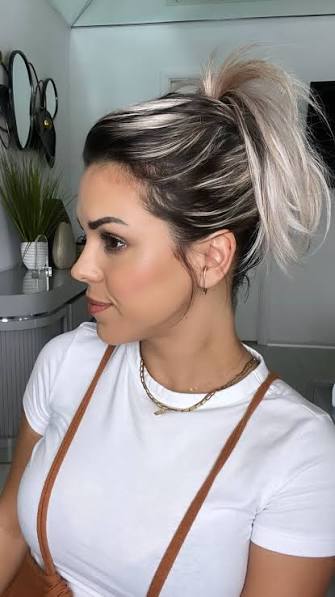
18 Short Pixie Haircuts for Thin Fine Hair That Actually Add Volume
Having tried countless pixie cuts on fine, thin hair, I can tell you exactly which styles defy gravity and which ones end up lying flat by midday. You know I am reliable, because unlike some hairstylists, I don’t just recreate looks from Pinterest boards; I know which styles will withstand morning hair.
So which are the best short haircuts for thin fine hair? Texturized pixies with shorter choppy layers on top and tapered sides work well for fine hair, as shorter layers give the illusion of thickness. Long wispy pixies that lie flat should be avoided if you have thinning hair in your crown area.
But stick around because I am going to break down 18 different types of pixie cuts and the exact tools, products, and face shapes that suit each style.
Why Pixie Cuts Are a Game-Changer for Fine, Thin Hair
The fact of the matter is that fine hair does not fare well with length. As your hair grows out, the weight will start to increase as compared to the diameter of the hair and the weight will flatten it against your head. A pixie style takes care of all of this by eliminating the heavy weight and allowing what is left to lift and bend and act like it has more volume than it really does.
A pixie style will work well with the texture of fine hair because fine hair holds curl and shape differently than thick hair and it reacts quickly to both product and heat. However, it needs a haircut that allows for the volume to be built in.
1. Classic Textured Pixie
This is the pixie that started it all, and it still works because the technique behind it is bulletproof. Short, razor-cut layers sit close to the head at the nape and sides, then gradually lengthen toward the crown, creating built-in height right where fine hair needs it most. I always tell clients this cut suits round, oval, and heart-shaped faces particularly well since the shorter sides slim the jawline. You’ll need a light matte paste, just a pea-sized amount worked into damp roots before blow-drying upward with a round brush.
This style solves the “flat crown” problem better than almost any other cut, and it transitions easily from office to weekend.
2. Textured Pixie with Long Bangs
Adding longer, side-swept bangs to a short pixie softens the overall silhouette without sacrificing volume. The bangs get point-cut at the ends to avoid a blunt, heavy line that would drag fine hair down. This works beautifully for square or angular faces, where the sweeping fringe breaks up strong jawlines.
Blow-dry the bangs across the forehead using a paddle brush, then set with a light-hold spray. It’s a low-maintenance option for busy mornings and looks equally sharp for work meetings or weekend errands.
3. Asymmetrical Pixie
An asymmetrical pixie keeps one side dramatically shorter than the other, creating visual movement that a symmetrical cut can’t replicate. Fine hair actually benefits from asymmetry because the uneven lengths trick the eye into seeing more density and dimension. This shape flatters oval and diamond faces especially well.
Use a texturizing spray on damp hair, then diffuse-dry with fingers to encourage natural piece-y separation. It’s an edgier option, great for creative workplaces or evening events where you want a little extra personality.
4. Curly Pixie Cut
If you have naturally curly or wavy fine hair, don’t assume pixies are off-limits. A curly pixie uses shorter layers cut while the hair is dry, following the curl pattern rather than fighting it. This avoids the frustrating “poof triangle” shape thin curly hair sometimes falls into at longer lengths. Round and oval faces suit this cut particularly well.
Apply a lightweight curl cream to soaking-wet hair and let it air-dry or diffuse on low heat. This style solves frizz and flatness simultaneously, a rare combo for curly fine hair.
5. Pixie with Undercut
An undercut pixie shaves or closely clips the hair at the nape and behind the ears, leaving longer textured pieces on top. This dramatically reduces bulk at the back of the head, which helps fine hair on top look thicker by comparison. It flatters oval, heart, and long face shapes. You’ll need a texturizing pomade for the top layers and regular trims every 3–4 weeks to maintain the undercut’s crispness.
It’s a bold, editorial-leaning choice best suited for casual or artistic settings, though it can be dressed up with the right earrings.
6. Soft Pixie Bob (Pixie Bob)
The pixie bob blends the shortness of a pixie with slightly longer length at the crown and nape, creating a rounded, softer shape. This “in-between” length works surprisingly well for fine hair because it’s short enough to avoid weight but long enough to style into loose waves. Round, oval, and square faces all do well with this shape. Use a volumizing mousse on damp roots and blow-dry with a round brush for lift. It’s versatile enough for the office, dinner dates, or even semi-formal events.
7. Choppy Pixie with Fringe
Choppy, razor-cut ends throughout the crown paired with a blunt or textured fringe give this pixie serious edge. The choppiness disguises fine hair’s tendency to look sparse by creating uneven, layered pieces that catch light differently. This suits oval and heart-shaped faces best. Style with a strong-hold wax rubbed between fingertips before scrunching into the roots. It’s a great “I don’t try that hard but somehow look amazing” style for casual days.
8. Slicked-Back Pixie
For a polished, editorial look, a slicked-back pixie uses gel or a light-hold cream to push all the hair back off the face, exposing the cut’s clean lines. This works best on pixies with strong layering underneath, since the slicked style relies entirely on the cut’s shape rather than volume tricks. Oval and heart faces look particularly striking here. This is a fantastic formal-event option—think weddings, galas, or work presentations where you want a sleek, no-fuss finish.
9. Pixie with Side-Swept Layers
Side-swept layers throughout the crown create a soft diagonal movement across the head, which flatters nearly every face shape by softening angles. This is one of the more forgiving pixie variations for fine hair since the diagonal layers create the appearance of thickness from multiple angles. A light sea-salt spray adds texture without weighing hair down. It’s a wonderfully adaptable style—dress it up with a deep side part for meetings, or tousle it for weekend casual.
10. Feathered Pixie
Feathered layers are cut at various lengths and angles to create soft, wispy movement throughout the hair. On fine hair, this technique is a favorite of mine because feathering distributes visual weight evenly, avoiding the “helmet” look that can happen with blunt pixies. Oval and round faces suit feathered pixies especially well. A lightweight volumizing spray, applied to roots before blow-drying, keeps the feathered pieces separated and airy.
11. Ear-Length Pixie
This ultra-short variation keeps hair at or above ear length all around, which is one of the most volume-friendly lengths for fine hair since there’s simply no room for weight to accumulate. It suits oval, heart, and square faces particularly well. Style with a small amount of texturizing paste worked through damp hair, then air-dry or blow-dry with fingers. It’s a wonderfully low-maintenance cut for anyone tired of daily styling routines.
12. Pixie with Micro-Bangs
Micro-bangs—cut just above the eyebrows—add a bold, graphic element to a short pixie. This works best on oval and heart-shaped faces, since the short fringe draws attention to the eyes. Fine hair holds micro-bangs well because there’s minimal weight to cause drooping. A small dab of pomade smoothed through the bangs keeps them defined without looking greasy. This style is a fun way to inject personality without touching the rest of the cut.
13. Long Pixie with Volume on Top
This variation keeps sides and back short while allowing more length and layering on top, creating a taller silhouette. It’s ideal for fine hair because the extra layering on top gives your stylist room to build texture without adding excessive weight. Round and square faces benefit most from the added height. Blow-dry the crown upward using a round brush, then finish with a volumizing powder at the roots for lasting lift.
14. Pixie with Curtain Bangs
Curtain bangs part down the middle and sweep to both sides, framing the face softly. Combined with a short pixie, this creates a face-framing effect that flatters nearly every face shape, especially square and heart shapes. Style with a round brush while blow-drying to curve the bangs outward. This look works well for both casual days and slightly dressed-up occasions.
15. Pixie Mohawk (Faux-Hawk)
A faux-hawk pixie keeps the sides very short while leaving more length and volume down the center of the head. This creates dramatic height that’s especially useful for fine hair, since the eye is drawn upward rather than to the thinner sides. Oval and long face shapes suit this best. Use a strong-hold gel to spike or sweep the center pieces upward. It’s a fantastic statement look for concerts, parties, or creative work environments.
16. Wavy Textured Pixie
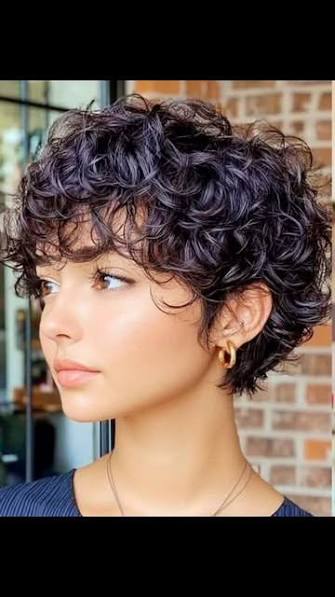
If you use a curling wand on short hair, a wavy textured pixie creates soft S-waves throughout the layers. This adds dimension and fullness that flatters round, oval, and heart faces. Fine hair holds a loose wave beautifully at this length without looking overdone. Use a 3/4-inch curling iron on face-framing pieces, then finish with a texturizing spray for a lived-in feel.
17. Cropped Pixie with Defined Sideburns
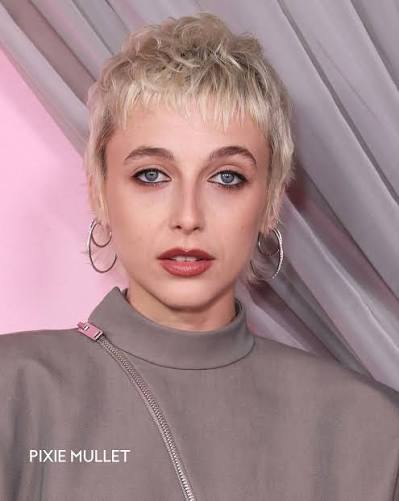
This modern variation keeps sideburns visible and slightly longer, adding structure to the face and drawing the eye downward toward the jaw. It’s particularly flattering on oval and diamond faces. Fine hair benefits from the defined lines since they add visual weight exactly where it’s needed. A pomade with light shine works best for styling this look.
18. Grown-Out Pixie with Layers
For those transitioning out of a pixie without losing shape, this style incorporates longer layers throughout while maintaining shorter pieces at the crown for volume. It suits nearly all face shapes and works for fine hair because the layering technique prevents the “growing out” stage from looking shapeless. A volumizing mousse and round-brush blowout keep this transitional style looking intentional rather than accidental.
Pixie Cut Comparison by Face Shape, Maintenance & Styling Time
| Pixie Style | Best Face Shape | Maintenance Level | Daily Styling Time | Ideal Occasion |
|---|---|---|---|---|
| Classic Textured Pixie | Round, Oval, Heart | Medium | 10 min | Everyday, Work |
| Asymmetrical Pixie | Oval, Diamond | Medium-High | 10–15 min | Casual, Creative |
| Curly Pixie | Round, Oval | Low | 5–10 min | Everyday |
| Undercut Pixie | Oval, Heart, Long | High | 10 min | Casual, Edgy Events |
| Pixie Bob | Round, Oval, Square | Medium | 15 min | Work, Semi-Formal |
| Slicked-Back Pixie | Oval, Heart | Low | 5 min | Formal Events |
| Ear-Length Pixie | Oval, Heart, Square | Low | 5 min | Everyday, Travel |
| Faux-Hawk Pixie | Oval, Long | High | 15 min | Parties, Creative Work |
| Curtain Bang Pixie | Square, Heart | Medium | 10 min | Everyday, Dressy Casual |
Tips for Success
- Get regular trims. Every 4–6 weeks keeps the layering sharp, since fine hair loses shape faster than thick hair.
- Use lightweight products only. Heavy creams weigh fine strands down instantly—stick to mousses, powders, and light pastes.
- Dry your roots first. Always blow-dry roots upward before touching the ends; this locks in lift before gravity kicks in.
- Invest in a good round brush. A small-barrel round brush is your best friend for building volume during blow-drying.
- Ask for point-cutting, not blunt cutting. Point-cut ends look thicker on fine hair by creating soft, irregular tips instead of one heavy line.
Common Mistakes and How to Avoid Them
Cutting fine hair too long, even in a “pixie,” is the number one mistake I see. Anything past the ear on very fine strands often collapses by afternoon—shorter is genuinely better here.
Skipping root-lifting products is another common slip. Fine hair needs help holding shape, so a volumizing mousse or root powder isn’t optional; it’s essential.
Over-washing is a sneaky problem too. Washing fine hair daily strips natural texture and makes it harder to style. Try dry shampoo between washes to preserve volume and texture.
Finally, avoid heavy, glossy serums meant for thick or curly hair. These products flatten fine strands and undo all the volume your cut worked hard to create.
Whichever direction you choose, a well-cut, well-styled pixie can completely transform how thin, fine hair behaves day to day. These 18 short pixie haircuts for thin fine hair prove that “short” doesn’t mean “boring”—it means smarter styling that finally works with your natural texture instead of against it.