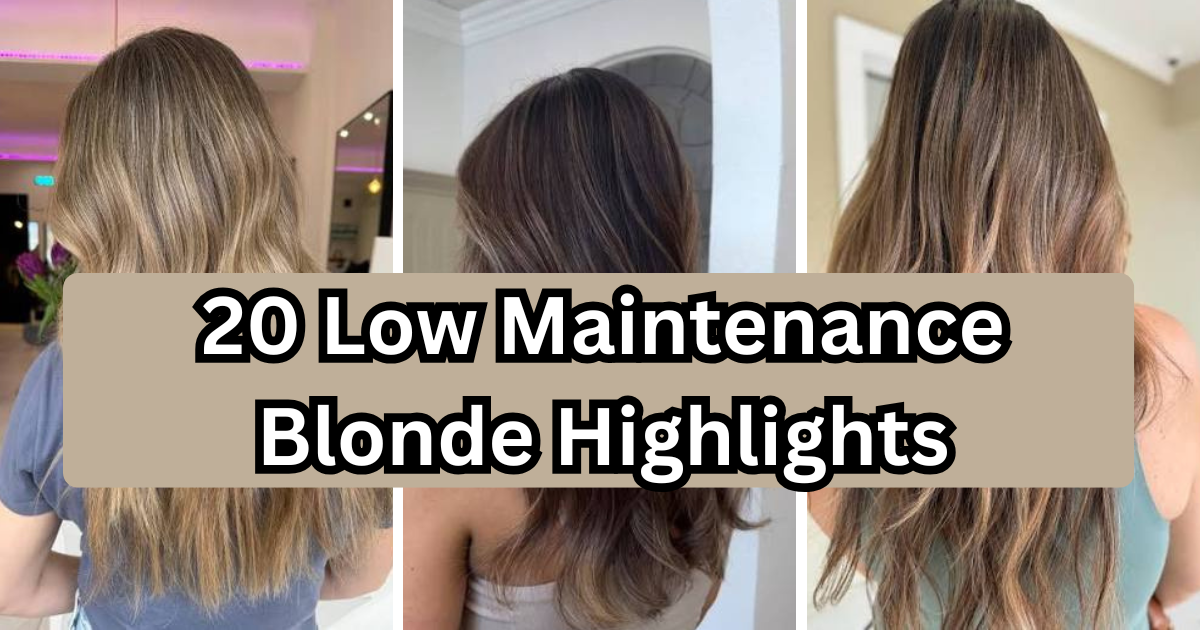
20 Low Maintenance Blonde Highlights That Actually Grow Out Nicely
I have been spending countless years trying color placements, enduring too many “quick touch-ups” that usually turn into three-hour hair dyeing sessions, and consulting each and every trustworthy stylist I know. The question that I have always asked is: how can I achieve the look of blonde highlights without having to give up my entire weekend every six weeks? As a result of my research (as well as my personal experience), I have compiled the most practical and wearable list of low maintenance blonde highlights available out there.
So, what are the best low maintenance blonde highlights? The best low maintenance blonde highlights involve the application of techniques such as balayage, babylights, and root shadowing which will allow your hair color to blend with the rest of your hair so nicely that you won’t need any retouch for 10–16 weeks!
Stay tuned since I am going to explain not only 20 low maintenance blonde highlights but also to tell which of them will suit you.
What Makes a Highlight “Low Maintenance” Anyway?
However, let’s first make something clear before we go to our list of low maintenance highlights. There are two very different ways of coloring. One is applying colors onto hair in order to mimic the sun action that creates blonde highlights. The other is using foil placement starting from the very root of your hair and creating regrowth lines very quickly.
Low maintenance highlights are supposed to blend well with the root color of your hair. This is how it works in general. When your colorist avoids using part lines for highlights and smudges roots to create more even blend, your highlights will last you longer. Also, the texture of your hair can affect the duration of highlight effect. Fine hair will show regrowth much quicker than thick hair and curly hair will disguise root lines better because of its pattern.
1. Classic Balayage

Balayage is truly the king of hair coloring techniques. The process requires a stylist to hand paint a lightener onto different parts of your hair, brushing it downwards to create an illusion that the color was always there. There are no stark transitions into highlights – the process is very natural and smooth. Perfect for straight, wavy and curly hair types, balayage suits most facial shapes due to flexibility in placing the color.
The best product to complement this technique would be a texturizing spray – balayage is the one coloring technique that will always give you that just-laid-bed hair texture.
Loose waves will really bring out the color application, yet the process looks equally great in a slicked back ponytail. Balayage is the ultimate solution to the evergreen problem of visible roots.
2. Babylights for Fine Hair

Babylights are exactly what they sound like — tiny, delicate highlights that mimic the natural lightening kids get from playing outside all summer. A colorist uses very fine foil sections, way thinner than traditional highlights, to create soft, subtle brightness without overwhelming fine strands.
If your hair is thin or fragile, this is probably your best bet. Heavier highlight placement can make fine hair look stringy, but babylights add dimension without weight. They work on short bobs and long layers alike.
Styling-wise, a lightweight mousse keeps volume without weighing down those delicate pieces. Babylights transition into the next technique nicely, since many colorists combine the two for maximum blend.
3. Root Smudge with Balayage
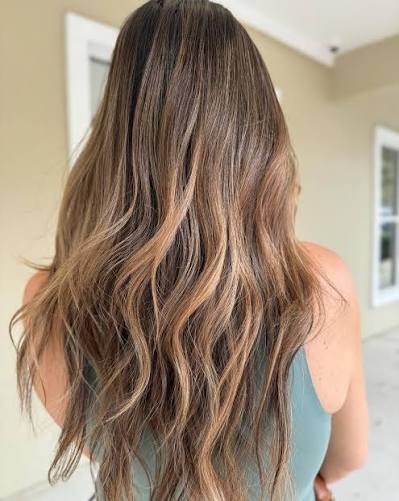
This is balayage’s best friend. A root smudge involves blending a soft, shadowy color right at the base of your highlights, so there’s zero contrast between your natural root and the lightened pieces. It’s basically insurance against the “grown-out” look.
Root smudging works on every hair length and is particularly great for brunettes going blonde, since it eases the transition without shocking your natural shade.
I always tell people this is the technique to ask for by name if their main goal is stretching time between salon visits. It’s a small addition to any color service that makes a massive difference in how long your color looks fresh.
4. Honey Blonde Money Piece
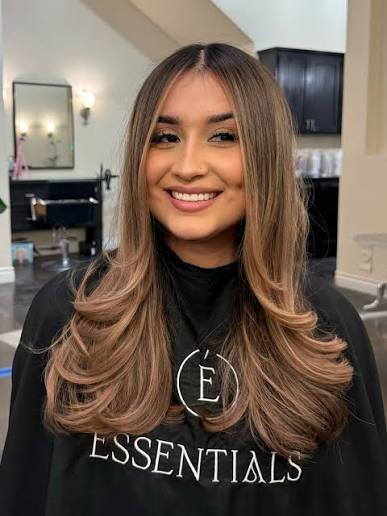
The money piece is that bold, face-framing highlight that sits right at your part line, usually a shade or two lighter than the rest of your highlights. Pairing it with a warm honey blonde tone makes it look sun-kissed rather than harsh.
This works on medium to long hair and is fantastic for brightening up your complexion since it sits closest to your face. Because it’s just one or two chunky pieces,
it’s incredibly low maintenance to touch up, sometimes a colorist can refresh just the money piece without redoing your whole head. A flat iron or curling wand brings out the dimension instantly.
5. Soft Face-Framing Highlights
Similar to the money piece but more subtle, soft face-framing highlights use two or three finer pieces around the hairline instead of one bold chunk. This creates a gentler brightening effect that works well for people who want dimension without a dramatic statement.
Round and oval face shapes both benefit here, since the lighter pieces draw the eye upward and outward, subtly slimming the face.
Curly hair textures actually hide these beautifully as the curl pattern naturally frames the face already. A curl-defining cream or light-hold gel keeps everything looking intentional.
6. Bronde Blend (Brown + Blonde)
Bronde sits right in that sweet spot between brunette and blonde, it’s a full-head blend rather than isolated highlights, giving a rich, multidimensional color that never looks like it needs a touch-up because there’s no stark contrast to grow out.
This is a fantastic low-commitment option if you’re blonde-curious but nervous about full maintenance. It suits nearly every hair type and works on medium to long lengths especially well. Since bronde uses gentle lightening rather than intense bleach,
it’s also gentler on hair health. A color-safe purple shampoo used once a week keeps brassiness at bay.
7. Buttery Blonde Balayage on Dark Hair
When balayage is applied to naturally dark brown or black hair, the contrast creates rich, buttery streaks that look expensive and intentional. The key here is strategic placement — not painting every section, just enough to create movement.
This works incredibly well on thick, coarse hair, since the natural darkness provides a gorgeous base for the lighter pieces to pop against. It’s a great option for formal events because the shine and depth photograph beautifully under any lighting. A glossing treatment every few months keeps the blonde pieces from turning brassy.
8. Beach Blonde Highlights
Beach blonde highlights are brighter, more sun-drenched, and typically placed throughout mid-lengths and ends rather than concentrated near the root. Think of the highlights you’d naturally get from a summer at the beach — uneven, sporadic, and full of light.
Wavy and curly hair types show this off especially well, since the texture already resembles beachy movement. This look pairs perfectly with a texturizing sea salt spray for casual days, but it also cleans up nicely for work with a simple blowout. It’s ideal if you want maximum brightness without a heavy, salon-fresh appearance.
9. Ash Blonde Balayage
Ash blonde highlights strip out warm, brassy undertones, leaving a cooler, smokier blonde. Balayage placement keeps the ash tones from looking flat, since the hand-painted technique naturally creates dimension even within a cool color family.
This shade works especially well on people with cool undertones in their skin, and it’s a striking option for straight, sleek hair where the coolness really shows. Purple-based toning shampoo is non-negotiable here, since ash tones fade toward warmth faster than any other blonde. Use it once or twice weekly to maintain that smoky effect.
10. Caramel Highlights on Blonde Base
If you’re already blonde and craving some warmth without going full brunette, caramel highlights woven throughout add richness and depth. This technique typically uses a slightly deeper caramel shade painted in sections to break up an all-over blonde that might otherwise look flat.
This works on any hair length, though it’s particularly striking on hair past shoulder length where you can see the movement. It’s a great low-maintenance option because caramel and blonde blend so seamlessly as regrowth happens. A weekly deep conditioner keeps both tones looking rich and glossy rather than dull.
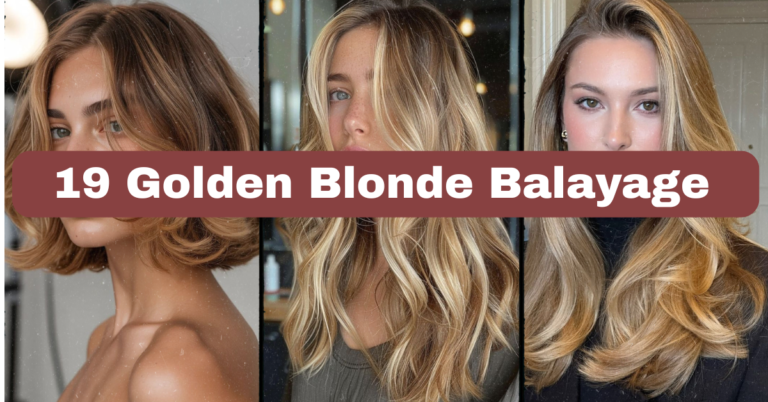
11. Golden Blonde Highlights for Warm Skin Tones
Golden blonde highlights lean warm and buttery, designed specifically to complement warm undertones in the skin. Unlike ash tones, golden blonde won’t fight your natural warmth — it enhances it.
This shade flatters oval, heart, and square face shapes particularly well, since the warmth softens angular features. It works on straight or wavy hair and holds up nicely with minimal upkeep because warm tones fade more gracefully than cool ones. A leave-in oil treatment enhances shine and keeps the gold tones from looking dull between washes.
12. Icy Blonde Peekaboo Highlights
Peekaboo highlights are hidden underneath the top layer of hair, revealed only when you tuck your hair behind your ears or pull it into certain styles. Icy blonde peekaboos add a fun pop of brightness without committing to an all-over lightened look.
This is a great low maintenance option because the highlights aren’t exposed to constant sun and styling damage, so they hold their tone longer. It works on any hair length and is especially fun for people who want versatility — hide it for work, reveal it for weekends. A deep conditioning mask keeps the hidden layer from feeling neglected.
13. Blonde Highlights with a Shadow Root
A shadow root is a deliberately darkened root area, usually one to two inches, that’s blended into blonde highlights below it. This technique is basically the root smudge’s bolder cousin — more intentional, more visible, but still incredibly low maintenance.
This works wonderfully on medium to long hair and complements every face shape since it’s really about the transition, not a specific placement. It’s an excellent choice if you’re growing out previous color and want a “no rush” grow-out phase. Toning shampoo used sparingly keeps the blonde section fresh without stripping the root’s tone.
14. Chunky Highlights for Thick Hair
Thick, coarse hair often swallows up fine highlights, so chunkier, more concentrated sections work better to actually show through. This technique uses wider foil sections placed strategically throughout the hair to ensure visibility even with dense strands.
This is ideal for anyone with thick or coarse texture who’s struggled with highlights that “disappear” into their hair. It works especially well on layered cuts where movement reveals the color as you walk or turn your head. A flat iron helps smooth thick strands and shows off the highlight pattern clearly for special occasions.
15. Blonde Balayage on Curly Hair
Curly hair requires a specific balayage approach since curls behave differently than straight strands when lightener is applied. Colorists typically paint the lightener while the hair is stretched out, accounting for how it’ll spring back into its natural curl pattern.
This is one of the most forgiving low maintenance options because curl patterns naturally disguise root regrowth better than straight hair does. It works on all curl types, from loose waves to tight coils. A curl cream with hold, plus a diffuser for drying, brings out the highlight placement beautifully for both casual and dressed-up looks.
16. Subtle Blonde Highlights for a Natural Look
Not everyone wants dramatic, obvious highlights. Subtle blonde pieces — placed sparingly throughout the hair — add brightness and dimension while still looking like your natural color, just enhanced.
This is a fantastic entry point if you’ve never colored your hair before and want to test the waters. It suits every hair type and length, and because the highlights are minimal, regrowth is barely noticeable for months. This is the lowest-commitment option on this entire list, both financially and time-wise.
17. Blonde Highlights with Face-Framing Layers (Haircut + Color Combo)
Sometimes the highlight isn’t just about color — it’s about how the cut interacts with it. Adding face-framing layers alongside blonde highlights creates movement that makes the color placement look more dynamic and intentional.
This combo works particularly well for round or square face shapes, since the layers create soft angles around the jaw and cheekbones. It suits medium to long hair and looks fantastic whether you’re straightening it sleek for work or letting natural texture show on weekends. A lightweight styling cream enhances the layers without flattening the highlight dimension.
18. Platinum Blonde Highlights (Low Maintenance Version)
Platinum highlights typically scream high-maintenance, but placing them strategically — away from the root, in select face-framing pieces only — makes even this dramatic shade manageable. The trick is restraint in placement, not going all-over platinum.
This works best on those with naturally lighter hair to begin with, since achieving platinum on dark hair requires more processing and upkeep. It’s a striking option for formal events and photographs exceptionally well. Purple shampoo is essential here, used two to three times weekly to fight yellowing.
19. Blonde Highlights for Gray Coverage
As gray hair starts coming in, strategic blonde highlights can blend it seamlessly rather than fighting it with solid, flat color that requires constant root touch-ups. The lighter pieces mimic the look of gray, creating a natural transition.
This is a genius low-maintenance solution for anyone over 40 who’s noticing gray but isn’t ready to embrace it fully or commit to monthly root touch-ups. It works on all hair textures and lengths. A silver-toning shampoo occasionally can enhance the blend even further, making gray and blonde work together instead of against each other.
20. Reverse Balayage for Growing Out Highlights
If you’re transitioning away from heavily highlighted hair back to your natural color, reverse balayage adds a slightly deeper tone to the ends and mid-lengths, blending old, over-processed highlights with your natural root color growing in.
This is specifically for anyone in a color transition phase, regardless of hair type or length. It’s the ultimate low-maintenance rescue technique because it essentially buys you time, letting old highlights grow out gracefully instead of looking damaged or patchy. A bond-repair treatment is highly recommended here since transitioning hair often needs extra strength support.
Comparison Table: Which Low Maintenance Highlight Fits You?
| Highlight Style | Best For Hair Type | Best For Face Shape | Touch-Up Frequency | Maintenance Level |
|---|---|---|---|---|
| Classic Balayage | Straight, wavy, curly | All shapes | 10–16 weeks | Low |
| Babylights | Fine, thin | Oval, heart | 12–16 weeks | Low |
| Root Smudge | All types | All shapes | 12–16 weeks | Very Low |
| Money Piece | Medium to thick | Round, oval | 8–12 weeks | Low |
| Bronde Blend | All types | All shapes | 12–16 weeks | Very Low |
| Ash Blonde Balayage | Straight, wavy | Cool undertones | 8–10 weeks | Medium |
| Platinum (strategic) | Naturally light hair | All shapes | 6–8 weeks | Medium-High |
| Shadow Root | Medium to long | All shapes | 14–18 weeks | Very Low |
| Peekaboo Highlights | All types | All shapes | 12–14 weeks | Low |
| Subtle Highlights | All types | All shapes | 16–20 weeks | Very Low |
Tips for Success
Getting low maintenance highlights that actually stay low maintenance takes a bit of planning before you sit in that salon chair. Here’s what’s worked for me and for the readers who’ve asked me about this:
- Bring reference photos showing placement, not just color — colorists need to see where you want lightness, not just what shade
- Ask specifically for “root smudging” or “shadow root” by name, since not every stylist offers it unless requested
- Invest in a color-safe, sulfate-free shampoo immediately after your appointment, not a few weeks later
- Get a gloss treatment every 6–8 weeks even if you’re not due for a full highlight refresh — it extends vibrancy significantly
- Avoid washing your hair for at least 48 hours after coloring to let the cuticle seal properly
- Use a heat protectant every single time you use hot tools, regardless of how “healthy” your hair looks
Common Mistakes and How to Avoid Them
Mistake: Choosing a highlight technique that’s too far from your natural color.
Fix: Stay within two to three shades of your natural base for the lowest maintenance experience. Bigger jumps mean faster-looking regrowth.
Mistake: Skipping toning shampoo between salon visits.
Fix: Purple or blue shampoo (depending on whether you’re ash or golden blonde) should be a weekly habit, not an occasional afterthought.
Mistake: Not telling your colorist about your styling habits.
Fix: If you air-dry constantly or never use heat tools, say so — it affects which placement technique will actually show up well on your hair.
Mistake: Over-washing colored hair.
Fix: Stretch washes to two or three times a week with dry shampoo in between. Color fades faster with frequent washing.
Mistake: Ignoring hair health before coloring.
Fix: Get a trim and a deep conditioning treatment a week or two before your appointment. Healthier hair holds color better and longer.
Wrapping It Up
Finding the right low maintenance blonde highlights really comes down to matching the technique to your hair type, your natural color, and how much upkeep you’re realistically willing to commit to. Whether you go for a soft babylight look or a bold money piece, the goal is the same — color that grows out gracefully instead of looking like a countdown to your next appointment.
I hope this list gave you a clearer picture of which style fits your life, not just your Pinterest board. Take a few of these photos to your next salon visit, ask specifically about blending techniques like root smudging, and you’ll walk out with blonde highlights that actually work with your schedule, not against it.