17 Low Maintenance Haircut Ideas for Fine Hair
I have been observing fine-haired ladies fight limp hairstyles that come off by mid-day for years now. It’s time to end that ordeal as I know for sure which cuts would suit their fine hair, instead of fighting against them.
What are the low maintenance hairstyles for fine hair? Textured lobes, blunt bobs, wispy pixie, and long layered styles are the most suitable choices. This type of cut adds volume to the hairstyle, needs less daily styling and retains shape between the visits to the salon better than a one-length style and extremely long hair.
But keep in mind that I am going to list 17 such cuts along with the necessary products and face shapes that would fit each of them.
Why Fine Hair Needs a Different Approach
It must be understood that fine hair is not equal to thin hair even though these terms tend to be used interchangeably. Fine is related to the thickness of each strand of hair, whereas thin describes the density of hair. You can have fine hair that is also thick and fine hair that is not thick.
These facts matter since the wrong hairstyle will give fine hair an appearance that it is stringy, flat, and transparent at the roots. The correct hairstyle will help fine hair create a thick appearance without having to style it for forty minutes in the morning. Length, layers, and blunt lines are essential for achieving this effect, as well as the knowledge about the texture of fine hair, whether it is straight or wavy.
h3: Fine Hair vs. Thin Hair — Quick Reference
| Term | What It Means | Best Cut Strategy |
|---|---|---|
| Fine Hair | Small strand diameter | Blunt ends, minimal layering, weight retention |
| Thin Hair | Low density/fewer strands | Shorter length, strategic layers for volume illusion |
| Fine + Thin | Both traits combined | Very short to medium blunt cuts, avoid heavy layering |
| Fine + Dense | Fine strands, high density | More layering flexibility, can handle longer lengths |
1. The Textured Lob

Lob, long bob is one of the most flattering hairstyles for any novice who is unfamiliar with the jargon and reaches about collarbone length. This haircut is great for thinning hair as it combines both length and absence of stringiness which usually occurs beyond shoulder length. Texturization is very important when it comes to fine hair. With point cutting and razor techniques, your stylist will help you lose the extra weight, but not length.
This haircut fits fine, straight or wavy hair. People with round or oval face shape can rock lob hairstyle, while people with square faces have to make their jawline slimmer by adding angular pieces of hair at the jaw. All you need is to apply a lightweight mousse, blow-dry your hair with a round brush or simply use texturizing spray.
The third hairstyle is for people who value easy maintenance of their hair.
2. The Blunt Bob
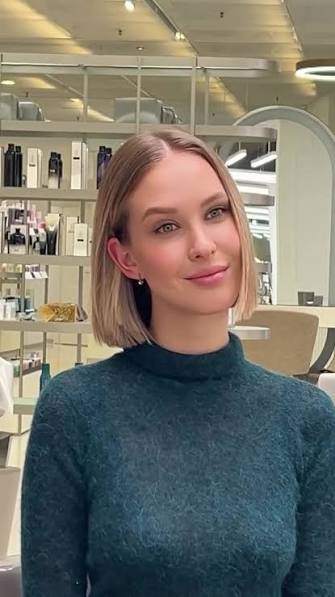
Blunt cuts and fine hair are basically best friends. When you cut fine hair with a completely straight, one-length edge, you create the appearance of thicker, denser strands because there’s no thinning at the ends. This bob typically falls at chin to jaw length, and it’s one of the lowest-maintenance options on this entire list.
Straight fine hair looks incredible with this cut. Wavy fine hair works too, though you’ll want a slight undercut layer underneath to prevent bulkiness at the bottom. Oval, heart, and diamond face shapes are especially flattering matches.
All you need is a smoothing serum and maybe five minutes with a flat iron, or skip the iron entirely and let it air-dry for a slightly tousled finish.
Let’s move into pixie territory for those wanting serious low-maintenance energy.
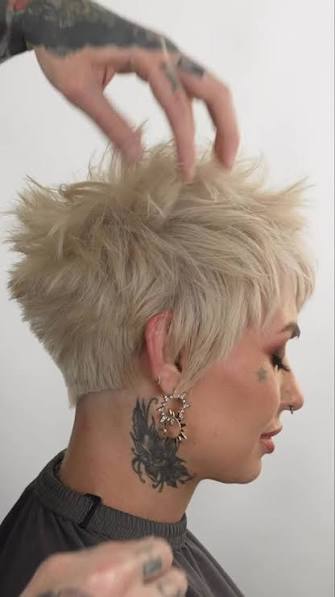
3. The Wispy Pixie

Short hair and fine hair are a genuinely great pairing, and the wispy pixie proves it. This cut keeps soft, feathery pieces around the face and crown instead of the harsher, more structured pixie shapes. The wispy texture disguises any sparseness at the roots while still looking intentional and polished.
Fine, straight hair styles this cut beautifully with just a dab of pomade worked through dry strands. Heart and oval faces are ideal matches, though round faces can pull it off with longer pieces left at the crown for added height.
This is genuinely a wash-and-go style, texturizing spray in the morning, maybe a quick finger-styling session, and you’re done in under three minutes.
If you’re not ready for that much length gone, here’s a slightly longer alternative.
4. The Long Layered Cut

Long hair on fine strands can look stringy fast, but adding strategic long layers changes everything. This isn’t about chopping in tons of short pieces, it’s about removing just enough weight at the ends and mid-lengths to create movement without sacrificing overall length.
This works particularly well on fine hair with some natural wave, since the layers enhance that texture instead of fighting it. Straight fine hair benefits too, especially with a slight bend added via a curling wand. Every face shape can wear long layers, though the placement of face-framing pieces should shift based on your shape, longer near the chin for round faces, shorter near the cheekbones for oval faces.
A lightweight volumizing mousse applied to roots keeps this style from falling flat by afternoon.
Now let’s talk about a shape that’s making a massive comeback.
5. The Shag Cut
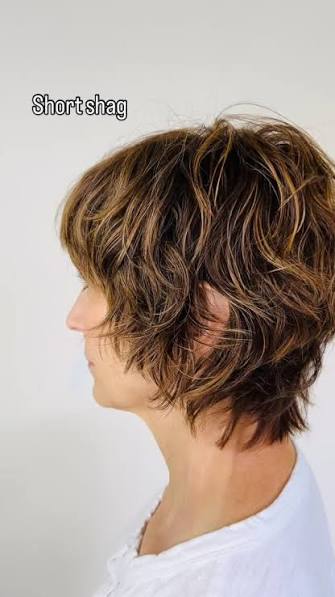
The shag haircut is having a real moment, and it’s honestly perfect for fine hair. This cut relies on heavy, choppy layering throughout, which creates texture and separation that fine hair desperately needs. The layers catch light differently at every angle, giving the illusion of way more density than you actually have.
Wavy and curly fine hair look phenomenal with a shag because the cut enhances natural texture. Straight fine hair can still rock this style with the help of a texturizing spray and some finger-tousling. Square and heart face shapes benefit most from the face-framing layers this cut includes.
It’s a fantastic “I woke up like this” style, ideal for casual days, though it dresses up fine for work with a quick blowout.
Speaking of texture-focused cuts, let’s cover one that’s specifically designed around movement.
6. The Curtain Bangs Bob
Adding curtain bangs to any bob instantly updates the whole look while also solving a fine-hair-specific problem: forehead coverage without heaviness. Curtain bangs part naturally down the middle and sweep to either side, framing the face instead of sitting flat against it like blunt bangs would.
This pairing works exceptionally well on fine, straight hair, though wavy hair adopts the curtain shape just as easily. Square, round, and heart-shaped faces all benefit from the soft framing effect. You’ll need a small round brush and a blow dryer to train the bangs into their curtain shape, though after a few weeks, your hair naturally falls that way on its own. This combo is office-appropriate, date-night ready, and genuinely low-effort once you get past the initial training period.
Let’s shift toward a cut built entirely around volume illusion.
7. The Angled Bob
An angled bob—longer in front, shorter in back—creates a diagonal line that naturally draws the eye upward and outward, making fine hair appear fuller through an optical trick rather than actual product or teasing. The angle itself does the heavy lifting here.
This cut is fantastic for straight fine hair specifically, since the clean lines show up better without wave or curl disrupting them. Oval and heart face shapes are the strongest matches. Round faces should ask for a slightly less dramatic angle to avoid emphasizing width. Styling requires just a flat iron for touch-ups and a light-hold hairspray. It’s a versatile pick that transitions from work meetings to dinner plans without any changes needed.
Now, let’s talk about a pixie variation that adds a bit more edge.
8. The Textured Crop
A textured crop takes the pixie concept but adds choppier, more piecey texture throughout, especially at the crown. This creates height and dimension that fine hair often lacks on its own. The cutting technique involves point-cutting at various angles to remove predictable, uniform lines.
Fine, straight hair is the ideal candidate, though slightly wavy hair adds even more natural texture to work with. Oval and diamond face shapes handle this cut best. Heart-shaped faces can wear it too, provided the sides aren’t cut too close, which can emphasize a pointed chin. A texturizing paste worked through damp hair before air-drying gives you all the definition you need—no blow dryer required most days.
Here’s a style perfect for anyone wanting length but hating the upkeep of long hair.
9. The Modern Shoulder-Length Cut
Shoulder-length hair sits at a genuinely perfect spot for fine hair—long enough to pull back when needed, short enough to avoid looking thin and scraggly at the ends. Adding soft, invisible layers throughout keeps the shape from looking like a helmet while still preserving enough weight for movement.
This length suits nearly every face shape, which makes it one of the most universally flattering options on this list. Straight and wavy fine hair both work beautifully here. A lightweight leave-in conditioner followed by air-drying or a quick blowout covers your styling needs. This cut moves easily between casual weekends and polished workdays, genuinely earning its spot as an everyday low-maintenance staple.
Let’s look at a cut that leans into asymmetry for extra visual interest.
10. The Asymmetrical Bob
An asymmetrical bob, where one side sits noticeably longer than the other, creates visual movement that distracts from any flatness or thinning fine hair might show. The uneven line keeps eyes moving across your face rather than focusing on hair density.
Straight fine hair displays this asymmetry most clearly, since clean lines show up better without wave interference. Oval, square, and heart face shapes all pair nicely with this style. Round faces should request a more subtle asymmetry to avoid unintentional width emphasis. A flat iron and light shine serum are your only real tools needed here. This cut works especially well for creative or casual work environments where a bit of edge is welcomed.
Let’s move to a classic that never really goes out of style.
11. The Classic Pixie with Length on Top
This pixie variation keeps the sides and back short while leaving noticeably more length on top, which you can style upward, to the side, or textured with fingers for a slightly tousled effect. The longer top pieces add the illusion of volume that a uniform, all-short pixie sometimes lacks on fine hair.
Fine, straight hair works wonderfully here, especially with the help of a matte pomade or texturizing powder at the roots. Oval, heart, and diamond faces are strong matches. Round faces can still wear this cut successfully by keeping extra height at the crown. Styling takes under five minutes with a dab of product and some finger-styling—no blow dryer required unless you want extra lift.
Next, we’re covering a cut specifically for those wanting soft, romantic movement.
12. The Layered Lob with Waves
Combining a lob length with soft layers and a beachy wave texture creates one of the most romantic, effortless-looking cuts for fine hair. The waves add textural volume that straight fine hair alone can’t achieve without heat styling or product.
This style is obviously ideal for those with natural waves already, though straight fine hair can achieve the look with a curling wand and some sea salt spray. Oval and round face shapes look especially soft and flattering with this combo. A light-hold texturizing spray applied to damp or dry hair maintains the wave pattern without weighing hair down. This cut moves effortlessly from casual brunches to slightly dressed-up evening plans.
Now let’s discuss a shorter cut that’s surprisingly versatile.
13. The Chin-Length Bob with Layers
A chin-length bob, when layered correctly rather than left completely blunt, creates soft movement around the face while still maintaining the thickening illusion that shorter blunt cuts provide. The key is keeping layers subtle rather than heavily thinned out.
Straight and wavy fine hair both take well to this length and layering combination. Heart, oval, and diamond face shapes are the best matches. Square faces can wear it too, especially with slightly angled pieces near the jaw to soften the line. A round brush blowout gives the most polished look, though air-drying with mousse works fine for casual days. This cut genuinely bridges the gap between professional polish and laid-back simplicity.
Let’s move to a color-and-cut combo that adds dimension without extra styling effort.
14. The Balayage Lob
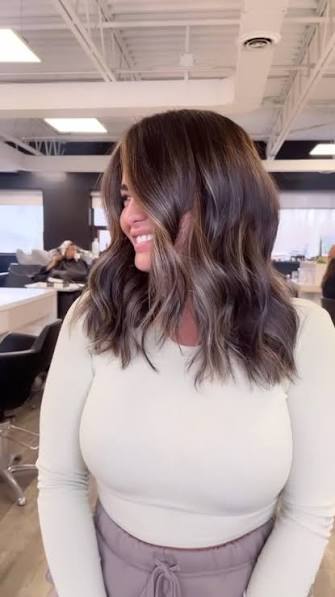
Pairing a lob cut with subtle balayage highlights creates dimension that mimics thickness, since the lighter pieces catch light differently than the base color, adding visual depth fine hair often lacks. Balayage differs from traditional highlights because it’s hand-painted rather than foiled, creating a softer, more natural gradient effect.
Here’s a quick breakdown of balayage versus ombre, since people confuse these terms constantly:
Balayage: Hand-painted color that creates soft, natural-looking dimension with no harsh lines. Regrowth is less noticeable, meaning fewer salon visits.
Ombre: A more dramatic, gradual color transition from dark roots to significantly lighter ends, typically with a more defined line of demarcation.
This color-cut combo works on straight and wavy fine hair alike. Every face shape can wear balayage since it’s about color placement rather than cut shape. You’ll need color-safe shampoo and a leave-in treatment to keep strands healthy, but styling stays simple—just air-dry or blow-dry as usual.
Let’s discuss a cut ideal for second-day hair situations.
15. The Textured Pixie Bob (Pixie-Bob Hybrid)
This hybrid cut sits between a pixie and a bob, typically falling around the ears to jawline, with heavy texturizing throughout to prevent any flat, helmet-like appearance. It’s shorter than a traditional bob but longer than most pixies, offering a nice middle ground for those unsure which direction to commit to.
Fine, straight hair benefits most from this cut’s texturizing technique. Oval and heart face shapes pair nicely, while round faces should request extra height at the crown. A texturizing spray and some finger-styling handle daily maintenance easily. This cut is genuinely one of the fastest to style in the entire list—perfect for busy mornings or travel days when you don’t want to pack multiple styling tools.
Now let’s cover a slightly longer version with serious face-framing power.
16. The Face-Framing Layered Cut
Rather than layering the entire head, this approach focuses layers specifically around the face while keeping the back and crown relatively fuller. This technique preserves overall density while still adding the softening, flattering effect layers provide near the face.
This works on any length, from lob to longer styles, and suits straight or wavy fine hair equally. Every face shape benefits, though the exact placement of face-framing pieces should shift depending on your shape—shorter layers near cheekbones for round faces, longer pieces near the jaw for square faces. A light texturizing cream applied to face-framing pieces after air-drying or blow-drying finishes this look perfectly.
Finally, let’s cover one more length option that’s often overlooked.
17. The Micro Bob
A micro bob, sitting above the jawline near the ear, is dramatically short but incredibly effective for fine hair because there’s simply no room for hair to fall flat or look thin. The shortness itself creates natural fullness through sheer proximity to the scalp.
Straight fine hair is the strongest match here, since the clean, short shape relies on precise cutting rather than texture. Oval, heart, and diamond faces handle this length beautifully. Round and square faces can wear it too, provided the length isn’t cut too severely straight across. Styling needs are minimal—a dime-sized amount of styling cream and finger-styling covers it. This cut is bold, undeniably low-maintenance, and perfect for anyone ready to fully commit to short hair.
Maintenance Level & Occasion Comparison
| Haircut | Maintenance Level | Best Occasion | Styling Time |
|---|---|---|---|
| Textured Lob | Low | Casual/Work | 5-10 min |
| Blunt Bob | Very Low | Work/Formal | 5 min |
| Wispy Pixie | Very Low | Casual | 2-3 min |
| Long Layered Cut | Medium | Any | 10-15 min |
| Shag Cut | Low | Casual | 5 min |
| Curtain Bangs Bob | Medium | Work/Formal | 10 min |
| Angled Bob | Low | Work/Formal | 5-10 min |
| Textured Crop | Very Low | Casual | 3 min |
| Shoulder-Length Cut | Low | Any | 5-10 min |
| Asymmetrical Bob | Low | Work/Casual | 5-10 min |
| Pixie with Length | Low | Any | 3-5 min |
| Layered Lob w/ Waves | Medium | Casual/Events | 10-15 min |
| Chin-Length Layered Bob | Low | Work/Any | 5-10 min |
| Balayage Lob | Low | Any | 5-10 min |
| Pixie-Bob Hybrid | Very Low | Casual | 2-3 min |
| Face-Framing Layers | Low | Any | 5-10 min |
| Micro Bob | Very Low | Any | 2-3 min |
Tips for Success
Getting the most out of a low-maintenance fine hair cut isn’t just about the initial haircut. Here’s what actually keeps these styles looking sharp between salon visits:
- Schedule trims every 6-8 weeks. Fine hair shows split ends and shape loss faster than thicker hair types.
- Use lightweight, volumizing products only. Heavy creams and oils weigh fine strands down instantly.
- Apply products to roots for volume, ends for smoothness—never the reverse.
- Skip daily washing if possible. Overwashing strips natural oils that give fine hair texture and grip.
- Invest in a good dry shampoo. It adds texture and volume while extending time between washes.
- Ask your stylist about hair porosity during consultations. This affects how your hair absorbs and holds products.
- Consider a gentle perm or wave treatment if you want more texture without daily styling effort.
Common Mistakes and How to Avoid Them
Even with the right cut, small styling mistakes can undo all that good work. Here are the ones I see most often:
Mistake: Going too long without layers or texture.
Fix: Fine hair past the shoulders without any layering almost always looks stringy. Add at least subtle face-framing layers.
Mistake: Using heavy, creamy styling products.
Fix: Switch to lightweight mousses, texturizing sprays, or powder-based volumizers instead.
Mistake: Overwashing hair daily.
Fix: Space washes out to every 2-3 days, using dry shampoo in between to maintain volume and texture.
Mistake: Skipping regular trims.
Fix: Fine hair needs more frequent trims than thick hair to prevent shape loss and stringy ends. Stick to a 6-8 week schedule.
Mistake: Choosing cuts that are too heavily layered throughout.
Fix: Over-layering fine hair removes too much weight, causing it to look thinner. Ask for strategic, not heavy, layering.
Mistake: Ignoring texture when choosing a cut.
Fix: Straight fine hair and wavy fine hair need different layering techniques. Always mention your natural texture during consultations.
Wrapping It Up
Finding the right low maintenance haircut for fine hair really comes down to understanding what your specific hair needs, whether that’s blunt ends for thickness illusion, strategic layers for movement, or short lengths that eliminate flatness altogether. I’ve walked you through 17 solid options here, along with the styling products, face shape pairings, and maintenance tips that make each one actually work in real life.
Pick the cut that matches your daily routine and hair texture, bring this list to your next salon appointment, and you’ll walk out with a style that looks intentional every single day—not just the first one after your cut.