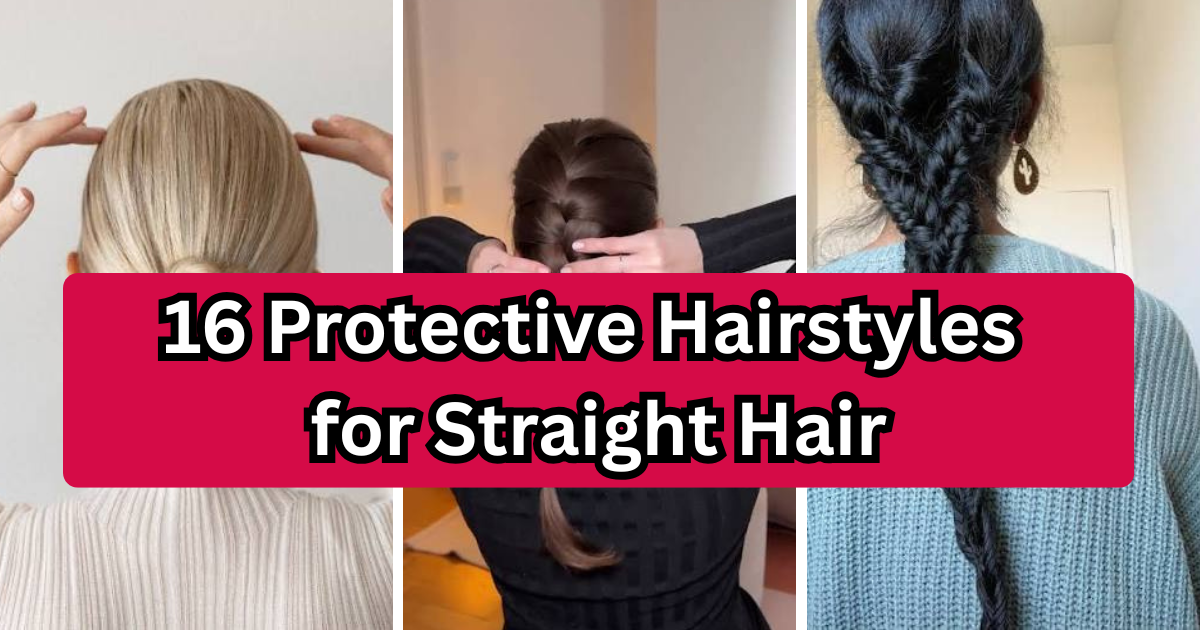
16 Protective Hairstyles for Straight Hair
I have done all possible braids, buns, twists, and wraps on my straight hair, which gets out of everything at noon, and I perfectly know which of these hairstyles can truly survive any from your morning coffee till the last call of your night out. Based on watching professionals working and experimenting with hairstyles by myself, including different hairstyles which I discovered on Pinterest, I can perfectly understand which styles actually work and which are just decorations.
What is the most effective protective hairstyles for straight hair? The most effective protective hairstyles for straight hair are braids, low buns, twists, and wraps like French braid, sleek chignon, and silk wrapped ponytail since they can cover the tips of your hair, reduce the friction, and prevent hair from excessive heating.
Don’t worry because soon I will tell you what kind of hairstyle fits you, how much time does it take to do it, and why some of these hairstyles hurt your straight hair.
Why Straight Hair Needs Protective Styling Too
Here’s something that you did not know about protective styling before: It is not only meant for curly hair. Straight hair can have its own problems too. Slippery hair means that any braids and buns will slide off faster than usual. The fine straight hair breaks easily with tension. Moreover, straight hair is uniform when it reflects light, which means any split ends are immediately noticeable.
There is no problem of shrinkage but the problem is that hair is damaged easily with the help of heating and breaking repeatedly. The appropriate style will protect the ends from rubbing against anything like shirts, bags, pillows and so on. Thus, protective styling provides hair growth and protection of hair at the same time.
Classic Three-Strand French Braid
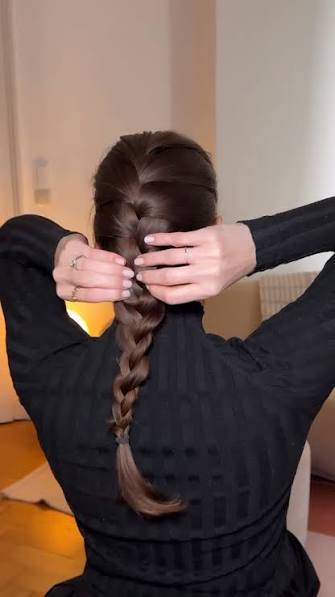
French braids are the ultimate protective hairstyle and have earned their title well. The hair is woven from the scalp downwards, which means that the tension is spread out evenly rather than pulling on one strand of hair. The ends of your hair will be encased in the braid, which protects them from rubbing against anything.
This particular hairstyle works great with long-straight hair and suits just about any face shape since it is up to you to decide whether to make the braid close to the face for round faces and farther back for oval or square-shaped faces. To give straight hair a bit of grip, use a styling product prior to braiding. It is work-ready, suitable for the gym, and even works underneath helmets if you cycle to work.
This brings us to a version of the above that will give it some edge.
Dutch Braid Crown
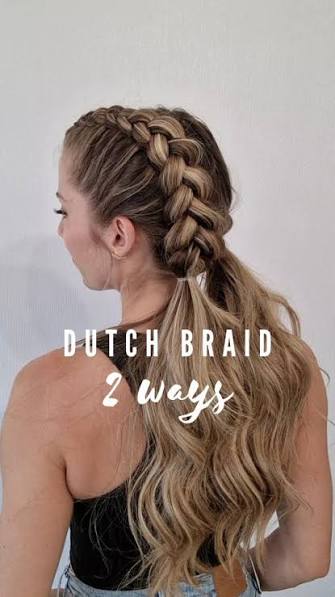
A Dutch braid crown is basically an inside-out French braid wrapped around your head like a halo. Because the braid sits on top of the strands instead of underneath, it pops more visually — great if you want texture without a full updo. It also keeps hair completely off your neck, which is clutch during humid months.
This style suits fine to medium straight hair best, since thick hair can make the braid bulky. Round and heart-shaped faces look especially good with this one because the crown adds height and structure. Grab a texturizing spray beforehand; straight hair is too smooth on its own, and a little grip prevents the braid from loosening by 3 p.m.
If crowns aren’t your thing, a low bun might be more your speed.
Sleek Low Bun
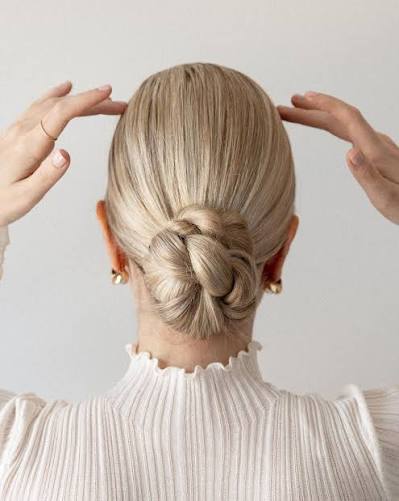
The sleek low bun is the easiest style on this list, and honestly, it’s underrated. You gather hair at the nape, twist it, and pin it into a smooth knot. That’s it. Because everything is tucked and secured, your ends get zero exposure to friction.
This is ideal for straight, fine hair that struggles to hold volume anyway, smooth is the goal, not the enemy. Oval and square face shapes look sharp with this one since it highlights the jawline. Use a strong-hold gel and a boar-bristle brush to smooth flyaways before twisting. It’s the go-to for job interviews, weddings, or any day you need your hair to just behave.
Now let’s talk about a slightly more playful version of the ponytail.
Fishtail Braid Ponytail
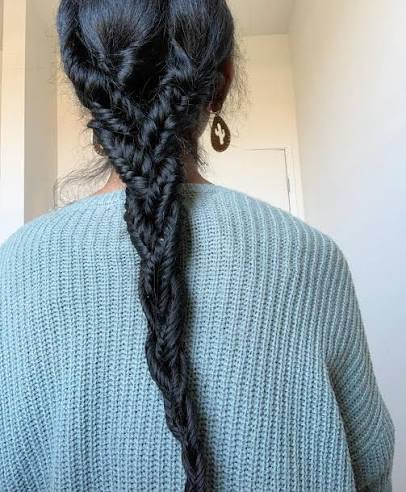
Combine a ponytail with a fishtail braid and you get a style that looks intricate but protects hair just as well as a basic braid. The crisscross weaving pattern locks strands together tightly, which means less slipping and less exposure to the elements.
Long, straight hair shows off the fishtail pattern best, since the individual strands need length to create that woven look. This flatters most face shapes, especially oval and long faces, because the ponytail adds visual balance. Tease the crown slightly before pulling hair back if you want extra lift. It works for date night, brunch, or dressing up a plain outfit without much effort.
Speaking of braids that do double duty, let’s look at box braids on straight hair.
Box Braids for Straight Hair
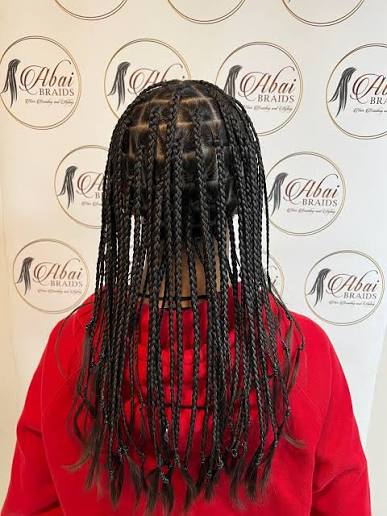
Box braids aren’t just for curly or coily textures — they work wonderfully on straight hair too, and honestly, they might last even longer since there’s less natural texture pulling them apart. Small or medium-sized sections get braided from root to tip, creating a style you can wear for one to three weeks with almost zero daily maintenance.
This is a great pick for anyone growing out their hair or dealing with heat damage, since your natural strands get a full break from styling tools. Any face shape can wear box braids; just adjust the parting size and braid thickness to flatter your features. Use a lightweight oil on your scalp every few days to prevent dryness and itching. This is the ultimate low-maintenance choice for vacations, busy work seasons, or postpartum hair struggles.
If three weeks sounds like a lot, here’s a softer, one-day version of that woven look.
Halo Braid
The halo braid wraps a single braid around your entire head like a wreath, tucking both ends in so nothing hangs loose. It’s romantic, it’s practical, and it keeps every strand accounted for — no dangling ends to catch on things.
Medium to long straight hair works best here since you need enough length to wrap fully around. Heart and oval face shapes look stunning with this style because it frames the face without adding bulk anywhere. Bobby pins matched to your hair color keep everything secure invisibly. This one’s perfect for weddings, festivals, or any occasion where you want “I did my hair” energy without spending an hour on it.
Let’s move from braids to twists, starting with a classic updo.
Twisted Chignon
A twisted chignon takes a low ponytail, twists it into a rope, and coils it into a knot at the nape. The twisting technique adds texture and grip that straight hair usually lacks, which means fewer bobby pins fighting to keep things in place.
This style flatters oval, square, and heart face shapes especially well since it exposes the neckline and jaw. Medium to long hair works best; shorter styles may not have enough length to twist and coil properly. A flexible-hold hairspray locks the twist without making it stiff. It’s a formal-event favorite — think galas, graduations, and holiday parties — but it’s simple enough for a regular Tuesday too.
Now, a style that blends braiding and bunning for extra security.
Braided Bun
The braided bun starts with a simple three-strand braid that then coils into a bun instead of hanging loose. This double-layer of protection means your ends are tucked twice over — once inside the braid, once inside the bun.
Fine and medium straight hair holds this shape nicely, especially with a bit of dry shampoo added for texture beforehand. Round faces benefit most since the bun adds height without width. This is a fantastic option for workouts, since the braid keeps hair locked down even through burpees and sprints. It also transitions well from gym to errands without needing a redo.
Next, let’s talk about a style that protects hair while you sleep.
Silk-Wrapped Ponytail
This one’s a nighttime hero. You pull hair into a low, loose ponytail and wrap a silk or satin scarf around the base and length, tucking the ends underneath. The silk reduces friction against cotton pillowcases, which is one of the sneakiest causes of breakage in straight hair.
Any length or face shape can use this method since it’s more about overnight protection than daytime style. It genuinely works for all hair types, but straight hair benefits the most because it tangles easily against rough fabric. Keep a silk scarf on your nightstand and make this part of your bedtime routine. It’s not glamorous, but it’s one of the most effective habits for length retention.
For daytime wear, though, let’s look at a high pony with staying power.
High Pineapple Pony
Borrowed from curly-hair routines, the pineapple pony works surprisingly well on straight hair too. You gather hair loosely at the crown, secure it with a scrunchie, and let the ends fall freely without tension pulling at the roots or edges.
This suits thick or medium straight hair that tends to go flat throughout the day, since the high placement adds volume. Oval and heart face shapes pair nicely with the lifted silhouette. Use a scrunchie instead of a thin elastic to avoid snapping strands. It’s an easy pick for workouts, running errands, or lazy weekend mornings when a full style feels like too much effort.
Let’s shift to a twist-based updo that lasts multiple days.
Flat Twist Updo
Flat twists lie close to the scalp, similar to cornrows but using a two-strand twisting method instead of braiding. Once twisted, the ends get pinned into a small bun or tucked under, creating a sleek, low-manipulation style.
This works great on fine-to-medium straight hair, especially for anyone dealing with early thinning near the temples, since the flat pattern reduces tension. Square and round faces look balanced with this style since the twists create clean lines around the face. Edge control keeps flyaways smooth along the twist pattern. This style can last four to six days, making it a solid choice for busy weeks or travel.
Now let’s combine a braid with a half-up style for something in between casual and dressed-up.
Half-Up Braided Crown
This style takes the top section of hair, braids it, and pins it across the crown while leaving the rest down. It’s protective for the front pieces that usually get the most damage from constant brushing and styling, while still giving you that “hair down” look.
Medium to long straight hair works well here, and it flatters basically every face shape since you control how much hair frames your features. A texturizing spray on the braid helps it hold shape without looking flat against straight strands. This is a great transitional style for work-to-dinner days, since it looks polished but not overly formal.
From here, let’s look at a rope braid that doubles as a statement piece.
Rope Braid Bun
A rope braid twists two sections of hair around each other instead of three, creating a spiral pattern that’s tighter and neater than a standard braid. Once twisted, it coils into a bun, giving you a style that resists frizz and holds shape for hours.
This flatters long, straight hair particularly well since the spiral pattern shows off length. Oval and heart-shaped faces look elegant with this bun style. A small amount of styling gel before twisting prevents the rope from unraveling throughout the day. It’s a lovely option for formal events, interviews, or any setting where you want understated polish.
Let’s move into a more intricate style built for longer wear.
Cornrow Updo
Cornrows braided close to the scalp in a pattern leading into a low bun or ponytail create one of the longest-lasting protective styles on this list. Because the braids stay flat against the head, there’s very little friction or manipulation needed day to day.
This works for all hair types, but straight hair holds the pattern especially well since there’s no texture fighting the braid’s direction. Any face shape can wear cornrows; adjusting the parting pattern (straight back, zigzag, or curved) changes the overall look to suit your features. A boar-bristle brush and gel keep edges smooth between wash days. This style can last one to two weeks, making it ideal for vacations or stretches when you need a break from daily styling.
For something with a bit more personality, let’s talk space buns.
Space Buns with Braids
Space buns get a protective upgrade when you braid each section before coiling it into a bun. This keeps ends tucked on both sides of the head, reducing exposure while still giving you a fun, youthful look.
Medium-length straight hair works best for proportion, though longer hair can absolutely pull this off too. Round and oval faces look especially cute with this style since the symmetry balances facial width. Small hair ties and a bit of smoothing serum keep the braids from puffing up. This one’s a favorite for festivals, casual weekends, or anytime you want to look a little playful.
Last on the list is a style that’s been trending for good reason.
Bantu Knots
Bantu knots involve twisting small sections of hair and coiling them into tight knots against the scalp. On straight hair, this creates a low-manipulation style during the day and, as a bonus, leaves gentle waves once you take the knots down.
This works on medium to long straight hair and suits every face shape since knot placement is fully customizable. A styling cream or mousse helps the twist hold shape, since straight hair alone won’t grip well. Bantu knots are great for overnight protection, casual weekend styling, or as a heatless way to add texture without touching a curling iron.
Protective Styles Compared: Face Shape, Maintenance, and Styling Time
| Hairstyle | Best Face Shape | Maintenance Level | Styling Time | Ideal Hair Length |
|---|---|---|---|---|
| French Braid | Round, Oval | Low | 10–15 min | Medium–Long |
| Dutch Braid Crown | Round, Heart | Low | 15–20 min | Fine–Medium |
| Sleek Low Bun | Oval, Square | Very Low | 5–10 min | Medium–Long |
| Fishtail Ponytail | Oval, Long | Medium | 15 min | Long |
| Box Braids | All | Very Low (weeks) | 2–4 hrs (initial) | Medium–Long |
| Halo Braid | Heart, Oval | Low | 15–20 min | Medium–Long |
| Twisted Chignon | Oval, Square, Heart | Low | 10 min | Medium–Long |
| Braided Bun | Round | Low | 10–15 min | Fine–Medium |
| Silk-Wrapped Pony | All | Very Low | 5 min | All lengths |
| High Pineapple Pony | Oval, Heart | Very Low | 3–5 min | Medium–Thick |
| Flat Twist Updo | Square, Round | Low (days) | 20–30 min | Fine–Medium |
| Half-Up Braided Crown | All | Low | 10 min | Medium–Long |
| Rope Braid Bun | Oval, Heart | Low | 10–15 min | Long |
| Cornrow Updo | All | Very Low (weeks) | 1–2 hrs (initial) | All lengths |
| Space Buns with Braids | Round, Oval | Medium | 15–20 min | Medium–Long |
| Bantu Knots | All | Low | 20 min | Medium–Long |
Protective Style Terms You Should Know
Protective Style
: A hairstyle that tucks hair ends away, reduces daily manipulation, and limits exposure to friction and heat — braids, buns, twists, and wraps all count.
Heat Style
: A look created using hot tools like flat irons or curling wands, which reshapes hair but adds cumulative damage over time.
Low Porosity Hair
: Hair with a tightly closed cuticle that resists moisture absorption; straight hair often falls into this category and needs lightweight products.
High Porosity Hair
: Hair with a more open cuticle that absorbs moisture quickly but also loses it fast, often needing heavier creams or oils.
Tension Styling
: Pulling hair tightly into a style, which can cause breakage or thinning at the hairline if done too often (think tight ponytails or braids).
Tips for Success
- Prep with a leave-in conditioner before braiding or twisting — dry straight hair snaps easier under tension.
- Use satin or silk scarves and pillowcases to protect any protective style overnight.
- Rotate your parting every few weeks to avoid thinning in one spot.
- Choose scrunchies or fabric-covered ties over thin elastics, which cut into straight strands.
- Give your scalp a light oil massage every few days if you’re wearing a longer-term style like box braids or cornrows.
- Don’t skip trims just because your hair is “protected” — dead ends still need cutting every 8–10 weeks.
Common Mistakes and How to Avoid Them
Braiding hair too tight. This causes headaches and, over time, can lead to traction alopecia along the hairline. Loosen your grip slightly, especially near the temples.
Skipping product before styling. Straight hair is slippery, and skipping a styling cream or gel means your braid or bun won’t hold past a few hours. A little product goes a long way.
Wearing the same style for too long. Even low-maintenance styles like box braids need a break eventually. Give your scalp room to breathe between takedowns.
Sleeping on cotton pillowcases. This one sneaks up on people. Cotton grips hair and causes breakage overnight, even with a protective style in place. Switch to silk or satin.
Using the wrong hair tie. Thin elastics without fabric coverage snag straight hair and cause split ends right at the point of tension. Spend a little extra on quality ties.
Ignoring your face shape. Not every style flatters every face. Check the table above before committing to a style for a big event.
I know it’s tempting to just copy whatever’s trending, but the right protective hairstyle really does depend on your hair’s length, thickness, and how much time you actually want to spend in front of the mirror. Pick one or two styles from this list, keep your products simple, and give your hair the break it’s been asking for.
At the end of the day, protective hairstyles for straight hair aren’t about hiding your hair — they’re about giving it room to grow, stay healthy, and look good doing it.