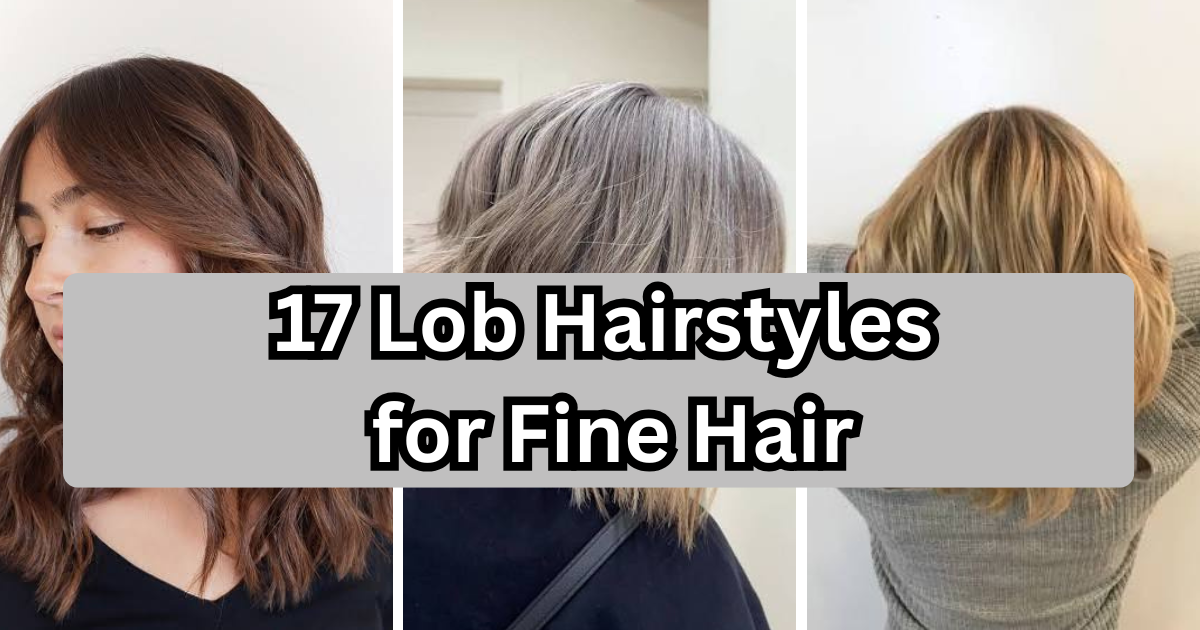
17 Lob Hairstyles for Fine Hair
In terms of lob styles for fine hair, I have invested many years researching what is truly effective versus those styles that work great in photos but last for no longer than five minutes before becoming a total disaster.
So what are the most effective lob styles for fine hair? The most effective lob styles for fine hair are those that incorporate long layers, minimal texture, and blunt or A-line ends to create an illusion of thickness, avoiding the one-length styles that cause fine hair to look lifeless and stringy.
Please stay tuned since I am going to give you 17 exact lob hairstyles, a chart on face shapes, and the exact products to keep your fine hair full throughout the day.
Why the Lob Is a Fine Hair Game-Changer
Now here’s something you should know about fine hair. The longer the style, the more it weighs the hair down, and the thinner the appearance becomes. Super short cuts look amazing at first but then grow out looking ridiculous and losing their shape very quickly. This is where the lob (long bob) comes in handy; usually, sitting between the chin and the collarbone.
It just happens to be a perfect hair length for thin, fine hair.
Because the shorter the hair, the less weight per strand it will have. Lighter hair = less flatness, less greasiness (by 3 p.m.), more bounce and volume. Plus, the addition of layers and proper cutting technique helps achieve a style that almost does everything for you without extra styling.
Below, I’ve compiled a list of 17 lob haircuts including different styles like blunt cut, curtain bangs and color placement options depending on face shape and hair texture.
Quick Comparison: 17 Lob Styles at a Glance
| Style | Best Face Shape | Maintenance Level | Styling Time | Best Occasion |
|---|---|---|---|---|
| Textured Lob with Long Layers | Round, Square | Low | 10-15 min | Everyday/Work |
| Blunt Lob | Oval, Heart | Medium | 10 min | Work/Formal |
| Wavy Beach Lob | All shapes | Low | 5-10 min | Casual |
| Angled Lob (Front-Long) | Round | Medium | 15 min | Work/Casual |
| A-Line Lob | Square, Oval | Low | 10 min | Work/Formal |
| Curtain Bang Lob | Heart, Long | Medium | 15-20 min | Everyday |
| Balayage Lob | All shapes | Medium | 10 min | Casual/Formal |
| Side-Swept Bang Lob | Round, Oval | Low | 10 min | Everyday |
| Razor-Cut Piecey Lob | Square, Round | Low | 5-10 min | Casual |
| Sleek Straight Lob | Oval, Heart | High | 20 min | Formal/Work |
| Root-Lift Blowout Lob | All shapes | Medium | 15-20 min | Formal/Special Event |
| Choppy Micro-Layer Lob | Round, Square | Low | 10 min | Casual |
| Face-Framing Highlight Lob | Heart, Oval | Medium | 10 min | Everyday |
| Undercut Nape Lob | Round | Medium | 10-15 min | Casual/Edgy |
| Curly Defined Lob | All shapes | Medium | 15-25 min | Everyday |
| Deep Side Part Lob | Square, Long | Low | 5 min | Work/Casual |
| Ombre Lob | Oval, Round | Medium | 10 min | Casual/Formal |
1. Textured Lob with Long Layers
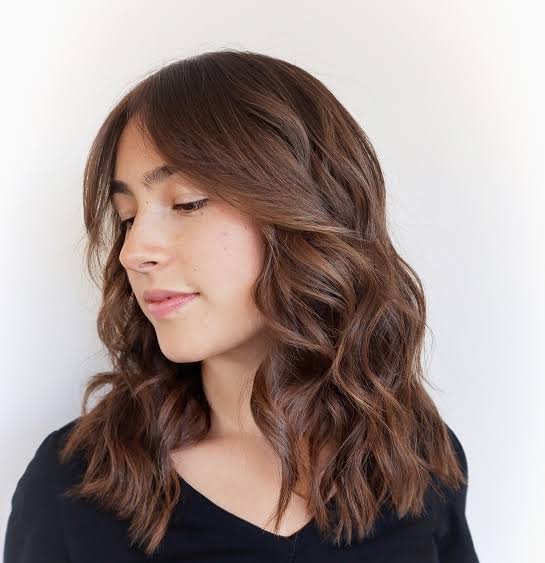
Long layers are the backbone of nearly every good fine-hair lob, and here’s why they work so well. Instead of cutting hair to a single blunt line, a stylist removes weight gradually from mid-shaft to ends, which lets each layer move independently instead of clumping together. That movement reads as volume, even if your actual hair density hasn’t changed one bit.
This cut suits round and square face shapes especially well, softening angles without erasing your bone structure. It works on straight, wavy, or slightly curly fine hair, though straight strands show off the layering best. Ask your stylist for “point cutting” at the ends rather than blunt shears — it keeps the tips looking wispy instead of chunky.
Style it with a texturizing spray and a round brush blowout. This look transitions easily from the office to a casual weekend, and it solves the classic fine-hair problem of hair looking “stuck together” in one flat sheet.
2. Blunt Lob for Instant Thickness
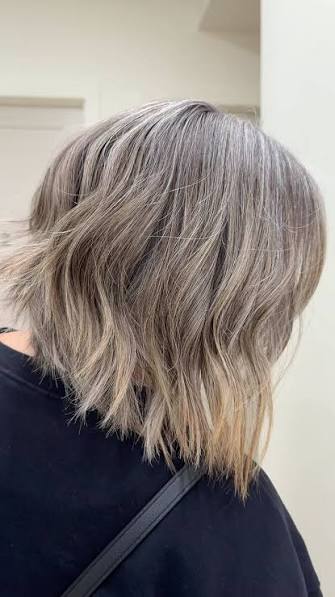
A blunt lob is the optical illusion queen of fine-hair cuts. Cutting all the hair to one straight line at the ends creates a dense, weighty perimeter that tricks the eye into seeing thicker hair than what’s really there. No layers, no texturizing — just a clean, crisp line.
This style is best suited for oval and heart-shaped faces because the sharp horizontal line adds definition without competing with softer features. Fine, straight hair shows this cut off best, though slightly wavy hair can work if you flat-iron the ends occasionally to keep the line crisp.
Use a smoothing serum and a flat iron for the sleekest version or add a light-hold hairspray for hold without weighing hair down. This cut is a favorite for work settings and formal events because it looks polished with minimal effort. It’s the perfect antidote if you’re tired of your ends looking wispy and see-through.
3. Wavy Beach Lob
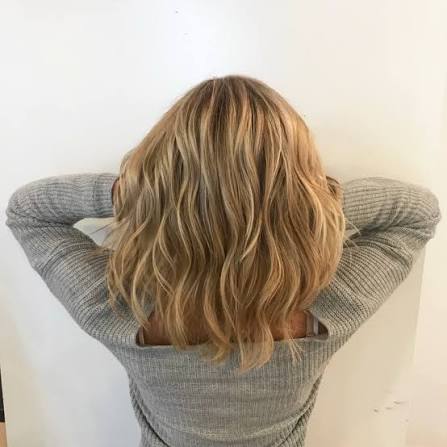
Waves add texture, and texture is basically the best friend fine hair has ever had. A beach wave lob uses loose, undone curls to create the illusion of extra body and dimension throughout the hair, disguising thin ends and flat roots in one move.
This style flatters literally every face shape because the waves naturally fall around the face and soften whatever angles you’re working with. It works on fine straight or fine wavy hair equally well. Use a 1-inch curling wand, wrapping small sections away from your face, then run your fingers through once cooled, never a brush, which kills the wave pattern.
Finish with a texturizing sea salt spray for grip. This is an easy, low-maintenance option for casual days, weekend brunches, or vacation, and it solves the “flat by noon” issue that straight fine hair often runs into.
4. Angled Lob (Longer in Front)

An angled lob keeps length toward the face and gets progressively shorter toward the back. This creates a slimming, elongating effect that’s incredibly flattering, and it adds the illusion of layers and volume near the crown without actually removing much hair.
Round faces benefit most from this shape because the longer front pieces draw the eye downward, creating a more oval appearance. Fine, straight hair works beautifully here since the angle stays crisp and visible. Wavy hair can work too, but you’ll want to flat-iron the front pieces for a clean line.
Style with a small amount of smoothing cream and blow-dry with a paddle brush for a sleek finish. This cut is versatile enough for work, casual outings, or dinner dates, and it’s a smart fix if you’ve always felt like your face looks rounder than you’d like.
5. A-Line Lob
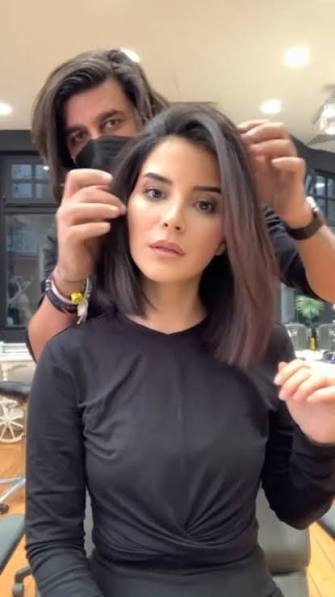
The A-line lob is shorter in the back and longer in the front, similar to the angled lob but with a more dramatic slope. This shape is a favorite among stylists because the graduated layers in the back add lift and volume exactly where fine hair tends to go flat — right at the crown and nape.
Square and oval faces look especially good with this cut since the angles complement strong jawlines. This style works well on fine, straight hair, though a light perm or wave can add even more dimension. Blow-dry the crown with a round brush for lift, then let the front pieces air-dry or lightly curl.
This cut is a solid choice for work environments because it looks intentional and polished without requiring daily heat styling. It’s a great fix for anyone whose hair looks stringy at the back but fuller near the face.
6. Lob with Curtain Bangs
Curtain bangs split down the middle and sweep back on either side of the face, framing your features like, well, curtains. Paired with a lob, this combo adds instant softness and volume right around the forehead and temples areas where fine hair often looks the thinnest.
Heart-shaped and longer face shapes benefit the most, since the bangs shorten the appearance of the face and balance a narrower chin. This style works on straight or wavy fine hair, though you’ll need to blow-dry the bangs daily with a round brush for the swoop to hold.
Use a lightweight volumizing mousse at the roots before blow-drying. This is a great everyday look that feels fresh and youthful without being high-maintenance. It solves the “flat forehead” issue that a lot of fine-haired women deal with when they skip bangs altogether.
7. Balayage Lob
Balayage is a hand-painted color technique where lighter pieces are swept through the mid-shaft and ends, creating a soft, sun-kissed gradient rather than a harsh line of demarcation. On fine hair, this technique is gold because the contrast between light and dark tones tricks the eye into perceiving more depth and dimension in the hair itself.
Balayage vs. Ombre:
Balayage
: A hand-painted, freehand coloring technique that creates soft, natural-looking highlights with no harsh lines. Best for low-maintenance color that grows out gracefully.
Ombre
: A more uniform, gradual color transition from dark roots to light ends, usually with a more visible gradient line. Requires more frequent touch-ups to maintain the contrast.
This coloring method works on any face shape and looks stunning on fine, straight, or wavy hair. Use a color-safe shampoo and a lightweight leave-in to keep strands from looking dry. It’s a great low-maintenance option since balayage grows out naturally without an obvious root line.
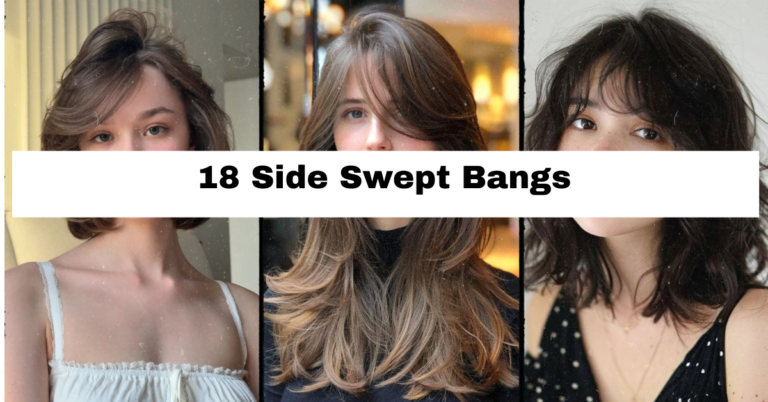
8. Lob with Side-Swept Bangs
Side-swept bangs cut on a diagonal add asymmetry and softness to a lob, breaking up a straight-across hairline that can sometimes look flat on fine hair. Because the bangs sweep to one side, they naturally create movement and volume near the part.
Round and oval faces both do well with this style, since the diagonal line adds subtle angles. This cut suits fine straight or wavy hair and requires minimal daily styling — just a quick blow-dry with a small round brush focused on the bang area.
Use a root-lifting spray before blow-drying for extra oomph. This is an easy everyday style that works for the office, running errands, or a casual night out. It’s a smart fix for anyone whose fine hair tends to look one-dimensional without any face-framing pieces.
9. Razor-Cut Piecey Lob
Razor cutting uses a blade instead of scissors to slice through the ends, creating soft, feathered, piecey tips instead of a blunt line. This technique works wonders on fine hair because it removes bulk while adding texture, which helps hair look intentionally tousled rather than thin and flat.
Square and round face shapes both benefit from the softening effect of piecey ends. This cut is ideal for fine, straight hair, though it also enhances natural waves. Style with a small amount of texturizing paste worked through dry ends for definition.
This low-maintenance cut is perfect for casual, everyday wear since it looks great whether you style it or let it air-dry. It solves the “too thin at the ends” problem that blunt cuts sometimes create on very fine hair.
10. Sleek Straight Lob
A sleek, glass-like straight lob relies on precision cutting and a flawless blowout rather than layers or texture. Every strand lies smooth and mirror-shiny, which actually reads as healthy and thick when done correctly, since flyaways and frizz are what make fine hair look unhealthy.
This style flatters oval and heart-shaped faces best, framing the jaw with clean lines. It requires straight or straightened fine hair and a good flat iron with ceramic plates to avoid heat damage. Use a heat protectant spray religiously, and finish with a shine serum — never anything too heavy, or it’ll weigh hair down.
This look is high-maintenance but absolutely stunning for formal events, job interviews, or date nights. It’s the go-to fix when you want fine hair to look polished, glossy, and intentional.
11. Root-Lift Blowout Lob
This isn’t really a cut — it’s a styling technique that transforms any lob shape by focusing on lifting the roots away from the scalp. Using a round brush and blow-dryer, you direct hair upward at the root before letting it fall into its natural shape, creating a lasting lift that lasts through the day.
Every face shape benefits from added root volume since it balances proportions overall. This technique works best on fine, straight to slightly wavy hair. Apply a root-lifting mousse or spray to damp hair before blow-drying in sections, working against the direction of hair growth at the crown.
This is ideal for special events, weddings, or any occasion where you need your hair to hold up for hours. It’s the single best fix for the “flat crown” issue that almost every fine-haired person deals with.
12. Choppy Micro-Layer Lob
Micro-layering involves cutting very thin, closely spaced layers throughout the hair, rather than a few broad layers. This creates a choppy, textured silhouette that adds serious volume and movement, since each tiny layer catches light and moves independently.
Round and square faces look great with this cut because the choppy texture softens strong angles. This style works exceptionally well on fine, straight hair since the layers show up clearly without looking too busy. Style with a texturizing spray and scrunch dry for a lived-in, tousled finish.
This cut is low-maintenance and perfect for casual, everyday wear. It’s a fantastic solution if your fine hair tends to look “helmet-like” or overly smooth with standard layering.
13. Face-Framing Highlight Lob
Strategic highlights placed only around the face — rather than throughout the whole head — create dimension exactly where people look first. This technique is subtler and more affordable than full balayage, but it still adds visual depth that makes fine hair appear fuller near the hairline.
Heart and oval face shapes look particularly radiant with this coloring approach. It works on any fine hair texture, straight or wavy. Ask your colorist for foils placed at the part line and temples only, using a shade two to three tones lighter than your base color.
This is a medium-maintenance option great for everyday wear, since it brightens your whole look without demanding constant touch-ups. It solves the “dull, one-tone hair” issue a lot of fine-haired women struggle with.
14. Undercut Nape Lob
This edgier option involves shaving or closely cropping the underlayer at the nape while keeping the top layers long enough to cover it when down. It sounds dramatic, but it’s actually a clever trick for reducing bulk and weight at the bottom layers of fine hair, letting the top layers sit with more visible lift and texture.
Round face shapes suit this style well since it draws attention upward. This cut works on fine, straight hair primarily, since the undercut needs to lie flat when hidden. Style the top layers with a volumizing mousse and blow-dry as usual; the undercut only shows when hair is pulled up or tucked behind the ears.
This is a fun, edgy choice for casual outings or a bold personal statement, and it’s a genius fix for hair that always feels “too heavy” at the bottom.
15. Curly Defined Lob
For naturally curly fine hair, a lob cut with layers specifically designed to enhance curl pattern can be transformative. Curly hair often appears thinner when it’s too long because the curls stretch and weigh themselves down. Cutting to lob length lets curls spring up and bounce, creating way more visible volume.
This style works for all face shapes since curls naturally frame and soften features. It’s designed specifically for fine, curly, or wavy-curly hair textures. Use a curl-defining cream on wet hair and either air-dry or diffuse for best results, avoiding brushes that disrupt the curl pattern.
This is a great everyday style for curly-haired women who’ve been told to “just grow it out.” It solves the frustrating cycle of fine curls looking stretched, weighed down, and shapeless at longer lengths.
16. Deep Side Part Lob
Sometimes the simplest change makes the biggest difference. Switching from a middle part to a deep side part instantly adds volume at the root because hair falls unevenly, creating natural lift on one side that a middle part just can’t replicate.
Square and longer face shapes benefit most, since the asymmetry breaks up strong or elongated features. This works with virtually any lob length and any fine hair texture. Simply reposition your part with a fine-tooth comb and use a bit of root powder at the part line for extra lift.
This is a five-minute fix perfect for busy mornings, work days, or whenever you want more volume with zero extra effort. It’s a genuinely underrated solution for hair that looks flat right at the crown.
17. Ombre Lob
Unlike balayage’s soft blend, ombre creates a more defined transition from a darker root to noticeably lighter ends. On fine hair, this gradual color shift adds a sense of depth and dimension that flat, single-process color simply can’t achieve, making strands look fuller and more textured.
Oval and round face shapes both work well with this coloring technique. It suits fine, straight, or wavy hair and pairs beautifully with soft waves that show off the color transition. Use color-depositing conditioner between salon visits to keep the lighter ends vibrant and prevent brassiness.
This is a medium-maintenance option, great for both casual days and dressier occasions. It’s an excellent choice if your one-tone hair color has been making your fine strands look flat and lifeless.
Tips for Success
Getting a great lob isn’t just about the cut — it’s about how you maintain it day to day. Here’s what actually makes a difference:
- Talk hair porosity with your stylist. Low porosity fine hair resists product absorption and needs lightweight formulas; high porosity fine hair soaks up product fast but dries out easily.
- Always use a heat protectant before blow-drying or flat-ironing, since fine hair damages faster than thicker strands.
- Wash less often. Fine hair often looks best on day two, once natural oils add a little grip and texture.
- Choose volumizing, not moisturizing, products. Heavy creams and oils weigh fine hair down fast.
- Get regular trims every 6-8 weeks to keep ends from looking wispy and thin.
Product Recommendations by Hair Porosity
| Porosity Level | Best Products | Avoid |
|---|---|---|
| Low Porosity | Lightweight mousse, dry shampoo, root spray | Heavy oils, thick creams |
| Medium Porosity | Volumizing shampoo, texturizing spray | Overloading with layered products |
| High Porosity | Leave-in conditioner, lightweight serum | Alcohol-heavy sprays that dry hair out |
Common Mistakes and How to Avoid Them
Even a great cut can look wrong if it’s styled the wrong way. Here are the mistakes I see most often:
- Going too blunt without any layers. This can actually make fine hair look thinner by creating one flat, heavy line with nothing underneath it.
- Using too much product. More isn’t better with fine hair — it’s the fastest way to end up looking greasy by noon.
- Skipping the round brush. Air-drying fine hair often leaves it flat; a round brush blowout adds shape and lift that lasts.
- Ignoring face shape. Not every lob style flatters every face — check the comparison table above before committing.
- Overdoing color. Too many highlights or an overly dramatic ombre can make fine hair look damaged and brittle instead of dimensional.
Wrapping It Up
Finding the right lob hairstyles for fine hair really comes down to matching the cut, layers, and color to your specific texture and face shape. Whether you go for a blunt line, soft waves, or a bold undercut nape, the goal is the same: create movement and volume without adding unnecessary weight.
I hope this list gave you a real starting point for your next salon visit. Bring a photo, mention your face shape, and don’t be afraid to ask your stylist about the specific techniques mentioned here — that’s exactly how you land on lob hairstyles for fine hair that actually work for you, not just for the camera.